
Gluten Free Chocolate Candy: Best Picks for Every Occasion
Gluten free chocolate candy is defined as chocolate confections made without wheat, barley, rye, malt, or any ingredient derived from gluten-containing grains, and verified safe from cross-contamination through third-party certification. The standard most consumers and the Celiac Disease Foundation recognize is below 20 ppm gluten, which is the threshold at which most people with celiac disease can safely consume a product. Ingredient lists alone do not guarantee safety. A candy can be made with no gluten ingredients yet still pose a risk if it shares equipment with wheat-based products. Artisan and small-batch producers like Dudley’s Toffee have built their reputations on exactly this kind of transparency, offering handcrafted chocolates without gluten or high fructose corn syrup. Choosing well means knowing what to look for on the label and which producers take certification seriously.
1. What is gluten free chocolate candy, and why does certification matter?
Gluten free chocolate candy covers a wide range of products, from simple dark chocolate bars to filled caramels, toffees, and peanut butter cups. Pure chocolate made from cocoa, sugar, and dairy is naturally free of gluten. The risk enters through added ingredients like cookie pieces, malt flavoring, wheat-based wafers, and shared production lines.
Certified Gluten Free labeling requires final product testing to confirm gluten stays below 20 ppm. That is a meaningful distinction from a product that simply contains no gluten ingredients. A candy made in a facility that also processes wheat crackers can pick up enough gluten to cause a reaction in someone with celiac disease, even if the recipe itself is clean.
Consumers with celiac disease require more than natural gluten absence. They need certified products backed by manufacturing oversight. Casual gluten avoiders may have more flexibility, but anyone buying for a person with celiac disease or a serious gluten sensitivity should treat certification as non-negotiable.
2. Dark chocolate bars with single-origin cocoa
Single-origin dark chocolate bars rank among the safest and most flavorful chocolate candies without gluten. Producers who source cocoa from a single farm or region tend to keep their ingredient lists short: cocoa mass, cocoa butter, sugar, and sometimes vanilla. Shorter ingredient lists mean fewer opportunities for hidden gluten.
The best single-origin bars carry a Certified Gluten Free seal alongside their origin story. Look for bars with 70% cocoa or higher if you prefer a less sweet, more complex flavor. These bars also make elegant gifts, especially when packaged in artisan wrapping.
3. Milk chocolate toffee from small-batch producers
Handcrafted milk chocolate toffee is one of the most satisfying gluten free sweets available, combining buttery crunch with smooth chocolate in every bite. Dudley’s Toffee produces its English almond toffee in small batches in Indiana, using premium ingredients and no high fructose corn syrup. The result is a softer, melt-in-your-mouth toffee that does not stick to your teeth the way mass-produced versions often do.
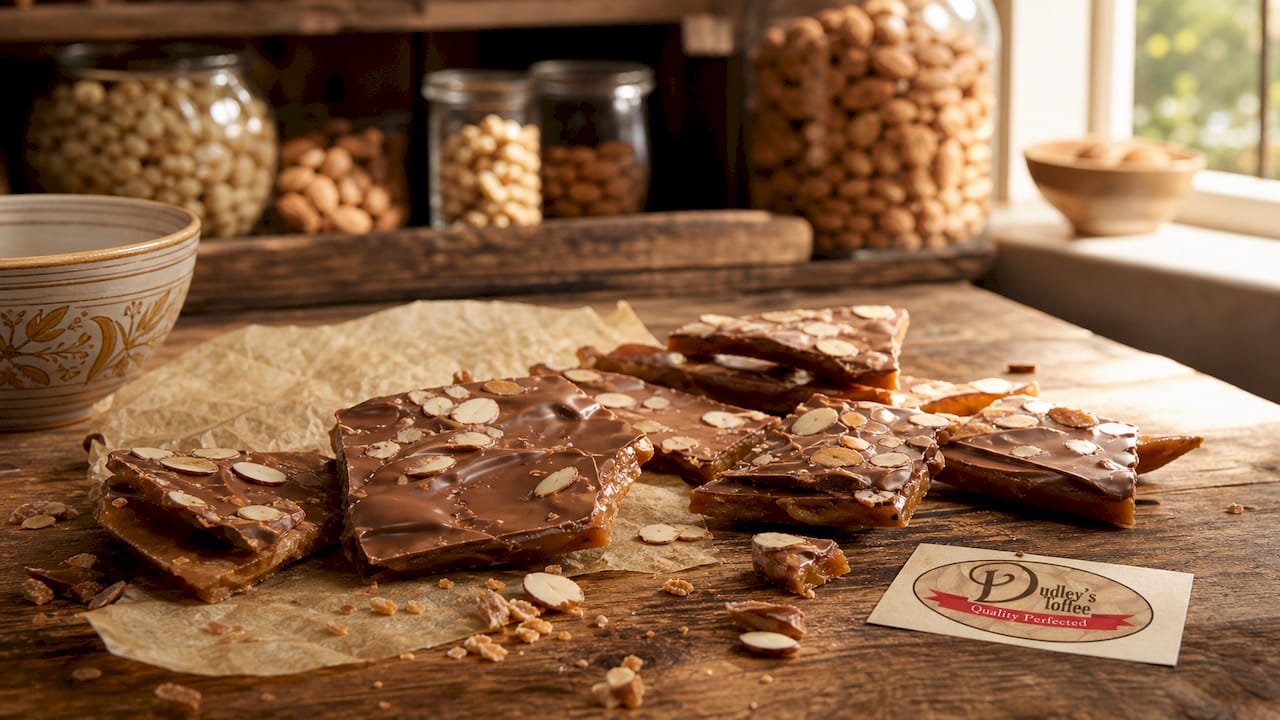
Small-batch production matters for gluten free safety because dedicated facilities reduce cross-contamination risk. Dudley’s Toffee offers both milk and dark chocolate varieties, making it a versatile choice for personal indulgence and gifting alike. The handcrafted quality shows in every piece.
4. Peanut butter cup bites with plant-based protein
High-protein gluten free chocolates have grown into a genuine category, not just a niche. Products like GFB’s Peanut Butter Cup Bites deliver 10g plant-based protein per serving while carrying both Certified Gluten Free and vegan certifications. That combination makes them a strong option for consumers managing multiple dietary needs at once.
The texture in these bites replicates the familiar peanut butter cup experience without any gluten-containing binders. Artisan producers achieve this through careful formulation, using alternative starches and natural nut butters to create a creamy center. For consumers who want indulgence with functional benefits, this category delivers.
5. Dark chocolate toffee for refined palates
Dark chocolate toffee pairs the slight bitterness of high-cocoa chocolate with the caramelized sweetness of handcrafted toffee. Dudley’s Toffee offers a dark chocolate variety that brings this combination to life using the same small-batch Indiana recipe. The deeper cocoa notes complement the buttery toffee without overpowering it.
Dark chocolate also tends to have a cleaner ingredient profile than milk chocolate, which can include additives that introduce gluten risk. For celiac-conscious consumers, dark chocolate from a certified producer is often the safer and more flavorful choice. It also ships and stores well, making it a reliable gift option year-round.
6. Vegan chocolate candy with dairy-free coatings
Vegan chocolate candy eliminates dairy alongside gluten, which appeals to consumers managing both restrictions. Many dairy free chocolate candy options use oat milk, coconut milk, or rice milk as the base for their coatings. The key is verifying that the oat milk used is certified gluten free, since oats are frequently cross-contaminated with wheat during processing.
Certified vegan and Certified Gluten Free seals can appear together on the same product. When both are present, you have strong assurance that the candy meets strict standards on two fronts. These products work well for gift boxes where you are unsure of the recipient’s full dietary profile.
7. Caramel-filled chocolates without gluten binders
Soft caramel centers inside chocolate shells are a classic indulgence, and gluten free versions achieve the same texture without wheat-based thickeners. Artisan producers replace traditional binders with cream, butter, and natural sugars cooked to precise temperatures. The result is a smooth, pull-apart caramel that holds its shape inside the chocolate shell.
Cross-contamination is a real concern with caramel-filled chocolates because many large manufacturers produce these alongside wheat-containing products. Choosing a small-batch producer with a dedicated gluten free facility removes that risk. The texture quality from artisan caramels also tends to be noticeably superior to mass-market versions.
8. Seasonal and holiday chocolate candies
Seasonal chocolate candies require extra scrutiny because ingredient changes in limited-edition versions can introduce gluten that the standard product does not contain. A chocolate brand that is safe year-round may release a holiday version with added cookie crumbles, malt flavoring, or a shared production run. Always check the label on seasonal packaging separately from the standard version.
The Celiac Disease Foundation publishes seasonal candy guides for major holidays, which provide a reliable starting point. For gifting during the holidays, choosing a producer whose entire line is gluten free eliminates the need to verify each seasonal variant individually. Dudley’s Toffee fits this profile, with a consistent recipe that does not change with the season.
9. Kosher-certified gluten free chocolates
Kosher certification and gluten free certification often overlap in meaningful ways. Kosher production standards require strict ingredient sourcing and facility oversight, which reduces the likelihood of undisclosed additives. Many consumers with celiac disease find that kosher-certified chocolates carry a lower cross-contamination risk, even when a separate gluten free seal is not present.
That said, kosher certification does not replace Certified Gluten Free status. Treat it as a positive signal, not a guarantee. When both certifications appear together, the product has passed two independent sets of manufacturing standards.
10. How to read gluten free chocolate candy labels
Reading labels on gluten free candy brands requires knowing which warnings carry real weight. The phrase “may contain wheat” indicates potential cross-contact during manufacturing and signals caution for celiac consumers. It is a voluntary disclosure, meaning its absence does not confirm safety.
Key label terms to evaluate:
- Certified Gluten Free: Final product tested to below 20 ppm gluten. The strongest safety signal available.
- Gluten free (self-declared): No gluten ingredients, but no third-party testing required. Acceptable for casual avoiders, not for celiac disease.
- May contain wheat: Cross-contact risk confirmed. Avoid for celiac disease.
- Made in a facility that also processes wheat: Moderate risk. Evaluate based on the producer’s cleaning protocols.
- No gluten ingredients: Weakest claim. Ingredient-level only, no manufacturing oversight implied.
Pro Tip: When buying for someone with celiac disease, look for the Certified Gluten Free seal from a recognized body like the Gluten-Free Certification Organization (GFCO). Self-declared labels offer no independent verification.
11. Flavor and ingredient trends in gluten free chocolates
The most successful gluten free chocolates replicate familiar textures like soft caramel and peanut butter centers without relying on gluten-containing binders. Artisan producers achieve this through technique: cooking caramel to the right temperature, using natural nut butters, and selecting premium cocoa with enough cocoa butter to create a smooth melt. The craft matters as much as the ingredient list.
Natural sweeteners like coconut sugar and pure cane sugar have replaced high fructose corn syrup in many premium gluten free chocolates. This shift reflects both health-conscious consumer demand and a genuine improvement in flavor. Coconut sugar, for example, adds a subtle caramel note that complements dark chocolate without masking it.
Plant-based and dairy-free formulations now appear across every chocolate category, from truffles to toffee. Many of these products carry multiple certifications simultaneously, including vegan, non-GMO, and Certified Gluten Free. For consumers managing layered dietary needs, this convergence makes shopping significantly easier.
12. Choosing gluten free chocolate candy for gifts
Selecting gluten free toffee brands for a gift requires thinking about the recipient’s specific needs, not just the product’s general reputation. A person with celiac disease needs Certified Gluten Free. Someone avoiding gluten by preference may be comfortable with a self-declared label. Knowing the difference protects the recipient and shows genuine care.
Packaging and presentation matter for gifting. Artisan producers typically offer more thoughtful packaging than mass-market brands, which makes the gift feel intentional. Dudley’s Toffee, for example, packages its handcrafted toffee in a way that suits corporate gifting, holiday boxes, and personal treats equally well.
Pro Tip: For corporate or bulk gifting, choose a producer that offers wholesale or bulk ordering. Dudley’s Toffee supplies retailers, gift shops, and wholesale buyers directly, which simplifies large-order logistics.
Consider these factors when choosing a gluten free chocolate gift:
- Certification level: Certified Gluten Free for celiac recipients; self-declared acceptable for preference-based avoiders.
- Ingredient quality: Premium cocoa, real butter, and no artificial additives signal a product worth giving.
- Production method: Small-batch and handcrafted products offer better flavor consistency and lower cross-contamination risk.
- Packaging: Artisan packaging elevates the gift experience beyond the candy itself.
- Seasonal availability: Confirm the product is available in the version you expect, especially around major holidays.
Key Takeaways
The safest and most satisfying gluten free chocolate candy combines Certified Gluten Free status with premium ingredients and small-batch production methods that minimize cross-contamination risk.
| Point | Details |
|---|---|
| Certification beats ingredient lists | Certified Gluten Free requires final product testing below 20 ppm; ingredient lists alone do not confirm safety. |
| Seasonal variants need separate checks | Limited-edition chocolates may contain gluten even when the standard version is safe. |
| Small-batch production reduces risk | Dedicated gluten free facilities eliminate cross-contamination from shared equipment. |
| Label warnings carry real weight | “May contain wheat” indicates confirmed cross-contact risk and warrants avoidance for celiac consumers. |
| Artisan quality improves both safety and taste | Producers like Dudley’s Toffee combine certified gluten free status with handcrafted, premium ingredients. |
What working with gluten free confectionery has taught us
The conversation around gluten free chocolate candy has matured considerably. Consumers are no longer satisfied with a product that simply omits wheat flour. They want genuine certification, transparent manufacturing, and flavor that does not feel like a compromise.
What strikes us most, after years of crafting handcrafted toffee in Indiana, is how often quality and safety reinforce each other. When you commit to premium ingredients, short ingredient lists, and small-batch production, you naturally reduce the variables that introduce gluten risk. The discipline required to make a truly exceptional toffee is the same discipline that keeps the product safe.
The mass-market approach to gluten free candy often treats certification as a marketing checkbox. Artisan producers treat it as a natural outcome of doing things right. That distinction shows up in the flavor, the texture, and the trust consumers place in the product over time.
Our honest recommendation: when you are buying gluten free chocolate for someone who truly needs it, choose a producer whose entire identity is built around quality and transparency. The Certified Gluten Free seal matters. So does knowing who made it and how.
— Dudley’s Toffee
Dudley’s Toffee: handcrafted gluten free toffee from Indiana
Dudley’s Toffee crafts its English almond toffee in small batches in Indiana, using premium ingredients and no high fructose corn syrup. Every piece is gluten free, made with real butter and premium chocolate, and finished with a satisfying crunch that melts into a buttery richness. The recipe has not changed because it does not need to.
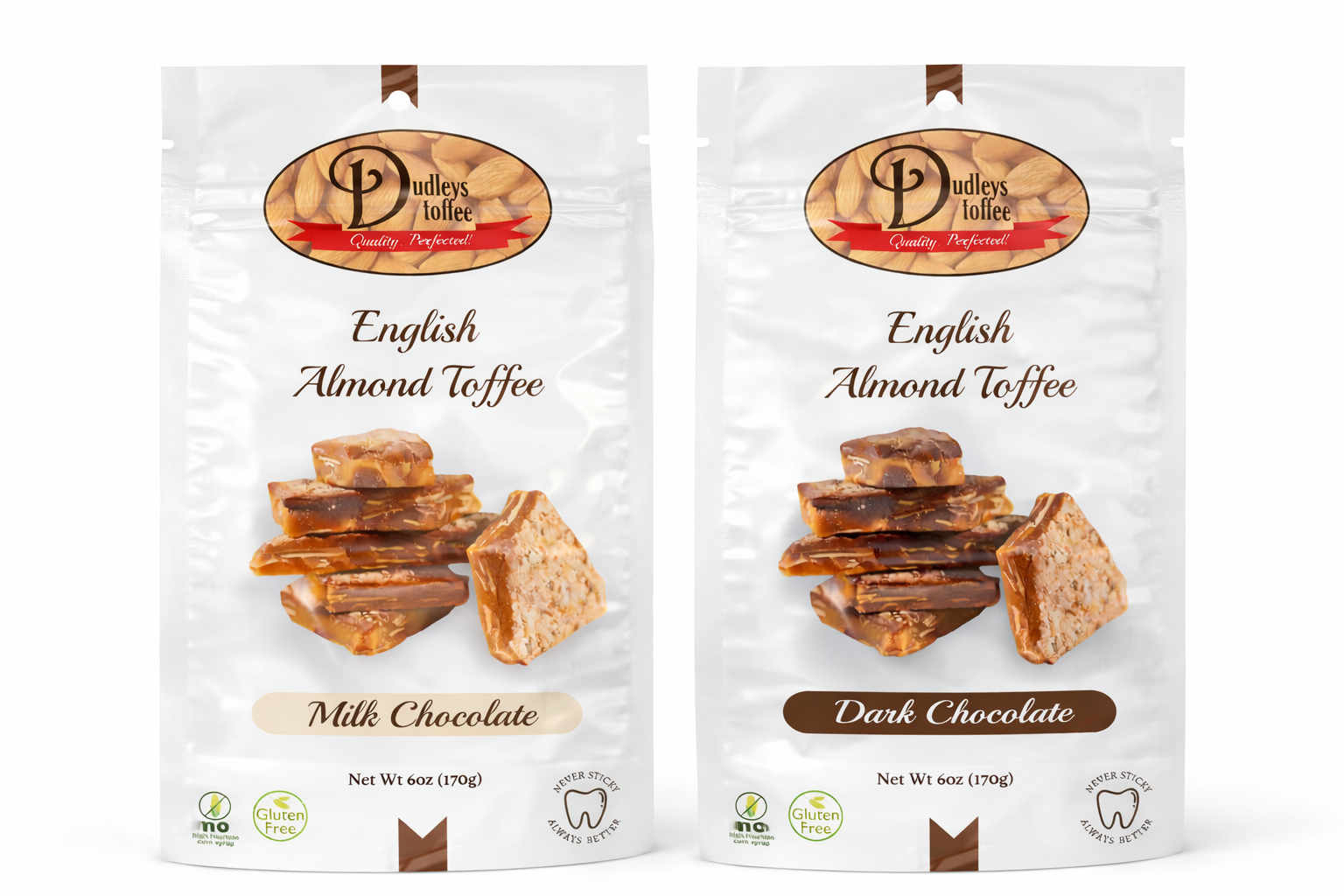
Whether you are treating yourself or searching for a gourmet candy gift that feels genuinely special, Dudley’s Toffee delivers. The milk chocolate English almond toffee and dark chocolate varieties ship nationwide, making it easy to send a handcrafted Indiana treat to anyone on your list. Shop directly at Dudley’s Toffee and taste the difference that small-batch craftsmanship makes.
FAQ
What makes a chocolate candy truly gluten free?
A chocolate candy is truly gluten free when it contains no gluten-containing ingredients and carries Certified Gluten Free status from a third-party body, confirming the final product tests below 20 ppm gluten.
Is Dudley’s Toffee gluten free?
Yes. Dudley’s Toffee is handcrafted in small batches in Indiana and is gluten free with no high fructose corn syrup, available in milk and dark chocolate varieties.
Why do seasonal chocolate candies require extra caution?
Seasonal or limited-edition versions of normally gluten free candies can introduce new ingredients or shared production runs that add gluten risk, so always check the label on holiday packaging separately.
What does “may contain wheat” mean on a candy label?
“May contain wheat” is a voluntary disclosure indicating that cross-contact with wheat occurred during manufacturing. Celiac consumers should avoid products with this warning regardless of the ingredient list.
Are dairy free chocolate candies also gluten free?
Dairy free chocolate candy is not automatically gluten free. Each claim requires independent verification. Look for products carrying both a dairy-free and a Certified Gluten Free seal to confirm safety on both counts.