
Gluten Free Chocolate: Best Options for Every Occasion
Gluten free chocolate is defined as chocolate made without gluten-containing ingredients and produced with controls that prevent cross-contamination during manufacturing. Pure cocoa is naturally gluten-free, but the moment it enters a shared facility or picks up additives like malt extract, the safety picture changes entirely. For health-conscious consumers and those with gluten sensitivities, knowing which chocolates are genuinely safe, and which simply look safe on the shelf, makes all the difference. This guide covers the best options available in 2026, what to look for on labels, how to bake with chocolate without gluten, and how to give it as a gift with confidence.
1. What is gluten free chocolate, and why does processing matter?
Chocolate without gluten starts with cocoa beans, sugar, and cocoa butter, all of which are naturally free of gluten. The risk enters during processing. Shared equipment, shared facilities, and added ingredients like cookie pieces, wafers, or malt flavoring can introduce gluten into an otherwise safe product. That is why the phrase “naturally gluten-free” on a label tells only half the story.
Certified gluten-free chocolate goes a step further. Third-party organizations test finished products and audit manufacturing lines to confirm gluten levels fall below 20 parts per million, the threshold recognized by the FDA for gluten-free labeling. Consumers with celiac disease or non-celiac gluten sensitivity should prioritize this certification over general marketing claims.
2. Dark chocolate bars made in dedicated facilities
Dark chocolate bars produced in dedicated gluten-free facilities carry the lowest cross-contamination risk. A high-quality dark bar typically contains cocoa mass, cocoa butter, sugar, and sometimes vanilla. That short ingredient list leaves little room for hidden gluten. Look for bars with 70% cocoa content or higher, as these tend to have fewer additives overall.
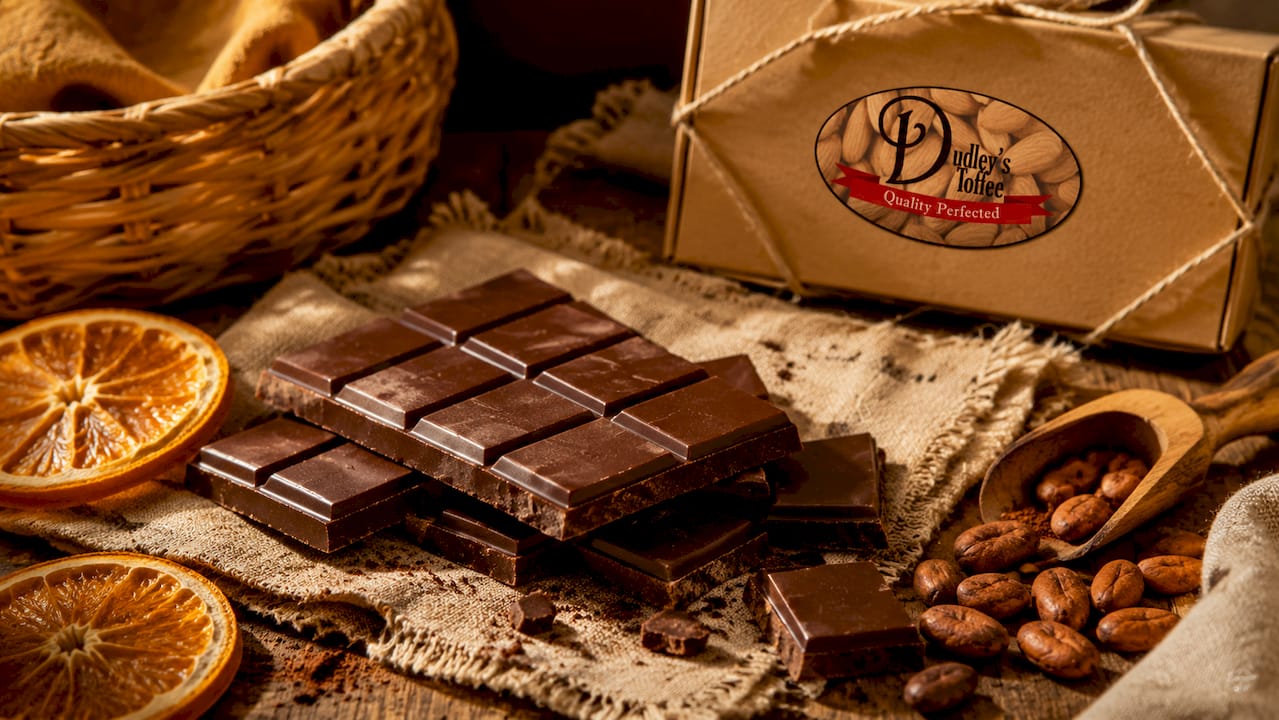
Many premium manufacturers now offer certified gluten-free chocolate in bar format, making it easy to enjoy a rich, intense chocolate experience without worry. Dark bars also work well as baking ingredients, melting cleanly into ganache, sauces, and flourless cakes.
3. Milk chocolate options for those who prefer a creamier taste
Milk chocolate introduces dairy into the equation, but dairy is not gluten. The concern with milk chocolate is the added ingredients: cookie crumbles, crispy rice, or malt-based flavors that show up in many popular bars. A clean milk chocolate bar contains cocoa solids, milk powder, cocoa butter, and sugar. Nothing more.
Consumers who want a dairy-free and gluten-free option can find dark chocolate bars made with coconut milk or oat milk, though oat-based products require extra scrutiny since oats carry their own cross-contamination risks. Stick with brands that specify certified gluten-free oats if that format appeals to you.
4. Gluten free chocolate truffles for gifting and indulgence
Chocolate truffles are a natural fit for gluten-free gifting because the classic truffle recipe, ganache rolled in cocoa powder, contains no gluten by design. The filling is typically heavy cream and dark chocolate. The coating is cocoa powder or chopped nuts. Neither ingredient contains gluten.
The risk with truffles comes from flavored varieties. Truffles filled with cookie butter, pretzel pieces, or beer-infused ganache are not safe for gluten-sensitive consumers. When selecting truffles as gifts, choose plain, nut-based, or fruit-infused varieties from producers who label their products clearly.
Pro Tip: When buying truffles for someone with celiac disease, call the producer directly and ask whether truffles are made on shared equipment with wheat-based products. A two-minute call can prevent a serious reaction.
5. Chocolate spreads and dips that are safe for gluten-sensitive diets
Chocolate spreads have grown in popularity as a gluten-free dessert option, but they require careful label reading. Many commercial spreads contain barley malt, which is a direct gluten source. A clean chocolate spread contains cocoa, sugar, oil, and sometimes nuts or vanilla.
Nut-based chocolate spreads, such as those made with hazelnuts or almonds, are often naturally gluten-free and pair well with gluten-free crackers, rice cakes, or fresh fruit. Check the label for any malt-derived ingredients before purchasing, and look for a certified gluten-free seal when available.
6. What to look for when choosing gluten free chocolate
Reading a chocolate label well takes practice. The ingredients list is your first stop. Watch for these specific gluten sources: wheat flour, barley malt extract, rye, and triticale. These appear in flavored bars, chocolate-covered pretzels, and some cocoa powders.
The second thing to check is the allergen statement. Phrases like “may contain wheat” or “made in a facility that also processes wheat” signal cross-contamination risk. For most health-conscious consumers, these products are fine. For those with celiac disease, they are not.
Third-party certification is the gold standard. Organizations like the Gluten-Free Certification Organization (GFCO) require products to test below 10 parts per million, which is stricter than the FDA’s 20 ppm threshold. Choosing GFCO-certified chocolate gives sensitive consumers an extra layer of confidence. You can find a broader breakdown of safe options in this gluten free candy guide.
Pro Tip: Avoid chocolates that list “natural flavors” without further detail. Some natural flavors are derived from barley, which contains gluten. When in doubt, contact the manufacturer.
7. Gluten free baking with chocolate: tips that actually work
Gluten free baking with chocolate produces outstanding results when you understand a few key principles. Weighing gluten-free flour rather than measuring by volume is the single most reliable way to get consistent results. Cup measurements vary too much depending on how tightly the flour is packed.
Flour blends that include xanthan gum replicate the binding function that gluten normally provides. Without a binder, gluten-free cakes crumble and cookies spread too thin. Most commercial gluten-free flour blends include xanthan gum already, but check the label before adding more.
Natural cocoa powder reacts differently than Dutch-process cocoa in baking chemistry. Natural cocoa is acidic and works with baking soda to create lift. Dutch-process cocoa is neutral and requires baking powder. Using the wrong type can result in a flat, dense cake. Match your cocoa to your leavening agent for the best outcome.
Four reliable gluten free chocolate dessert formats
-
Flourless chocolate cake. Flourless chocolate cakes are naturally gluten-free and deliver an intense, fudgy chocolate flavor that flour-based cakes rarely match. They require only eggs, butter, sugar, and high-quality dark chocolate.
-
No-bake chocolate ganache tart. No-bake ganache tarts require about 20 minutes of hands-on preparation and set in the refrigerator within 2 hours. They hold quality when refrigerated for up to 24 hours, making them ideal for entertaining.
-
Gluten-free shortbread crust. Gluten-free shortbread cookies make a superior tart crust compared to graham crackers. They provide better structural integrity and a richer butter flavor that complements dark chocolate ganache.
-
Dairy-free chocolate mousse. Whipped coconut cream combined with dark chocolate produces a mousse that matches traditional dairy-based versions in texture and richness. This format works for consumers who need both dairy-free and gluten-free options.
“The secret to gourmet gluten-free desserts is textural contrast. A crumbly, buttery crust paired with silky ganache creates the kind of experience that makes people forget they are eating something allergen-friendly.”
Specialized gluten-free baking mixes also simplify the process considerably. A dedicated gluten-free chocolate cake mix produced in a certified facility removes most of the guesswork around flour ratios and leavening. These mixes are widely available and cost roughly the same as conventional baking mixes.
8. Gluten free chocolate as a gift: choosing with confidence
Gluten-free chocolate gifts are among the most thoughtful options you can give someone with dietary restrictions. They signal that you paid attention to what the recipient can and cannot eat. That level of care is not lost on people who spend most of their lives reading labels at every meal.
When assembling a gluten-free chocolate gift, variety matters. A well-curated box might include:
- Dark chocolate bars with 70% or higher cocoa content
- Plain or nut-filled truffles from a certified gluten-free producer
- A small jar of gluten-free chocolate spread
- Handcrafted gluten-free toffee coated in milk or dark chocolate, like the small-batch varieties from Dudley’s Toffee
Pairing chocolate with gluten-free toffee adds texture and flavor contrast that makes a gift feel genuinely curated rather than assembled from a generic assortment. Use this gourmet candy gift checklist to build a thoughtful selection for any occasion.
Storage and shipping matter too. Chocolate is sensitive to heat and humidity. For warm-weather shipping, include a cold pack to prevent bloom, the gray streaking that occurs when chocolate melts and re-solidifies. Bloom does not affect safety, but it does affect presentation and texture.
Key Takeaways
The safest and most satisfying gluten free chocolate comes from producers who combine certified ingredients, dedicated facilities, and transparent labeling.
| Point | Details |
|---|---|
| Certification beats marketing claims | Look for GFCO or FDA-compliant gluten-free labels, not just “naturally gluten-free” language. |
| Processing risk is real | Shared equipment and malt-based additives are the most common sources of hidden gluten in chocolate. |
| Baking requires the right cocoa | Match natural or Dutch-process cocoa to your leavening agent for consistent gluten-free results. |
| Texture contrast elevates desserts | Combining a crumbly gluten-free crust with smooth ganache produces gourmet-quality results. |
| Gifting gluten-free shows care | Pairing certified chocolate with gluten-free toffee creates a curated, thoughtful gift for sensitive recipients. |
What we have learned from years of making gluten-free confections
At Dudley’s Toffee, we have watched consumer interest in gluten-free treats grow steadily over the past decade. What has changed most is not the demand. It is the expectation. Customers today are not satisfied with a product that is merely safe. They want something that tastes exceptional, looks beautiful, and arrives in perfect condition.
That shift has pushed us to be more deliberate about every ingredient we use. Our handcrafted English almond toffee contains no gluten ingredients and no high fructose corn syrup, and we make it in small batches so we can control quality at every step. We have found that small-batch production is not just a marketing phrase. It is the only way to catch problems before they reach a customer.
The chocolate coating on our toffee is where flavor and safety meet. We use milk and dark chocolate varieties that complement the buttery, almond-forward toffee underneath. Getting that balance right, where the chocolate is rich enough to stand on its own but not so dominant that it overwhelms the toffee, took real trial and refinement. We are proud of where it landed.
Our honest advice to anyone shopping for gluten-free chocolate: prioritize producers who are transparent about their facilities and willing to answer direct questions. A brand that cannot tell you whether their equipment is shared is a brand that has not thought carefully enough about your safety.
— Dudley’s Toffee
Dudley’s Toffee: handcrafted gluten free chocolate toffee from Indiana
Dudley’s Toffee makes small-batch English almond toffee in Indiana using premium ingredients, no high fructose corn syrup, and a time-honored recipe that produces a softer, melt-in-your-mouth texture instead of the tooth-pulling hardness common in mass-produced toffee.
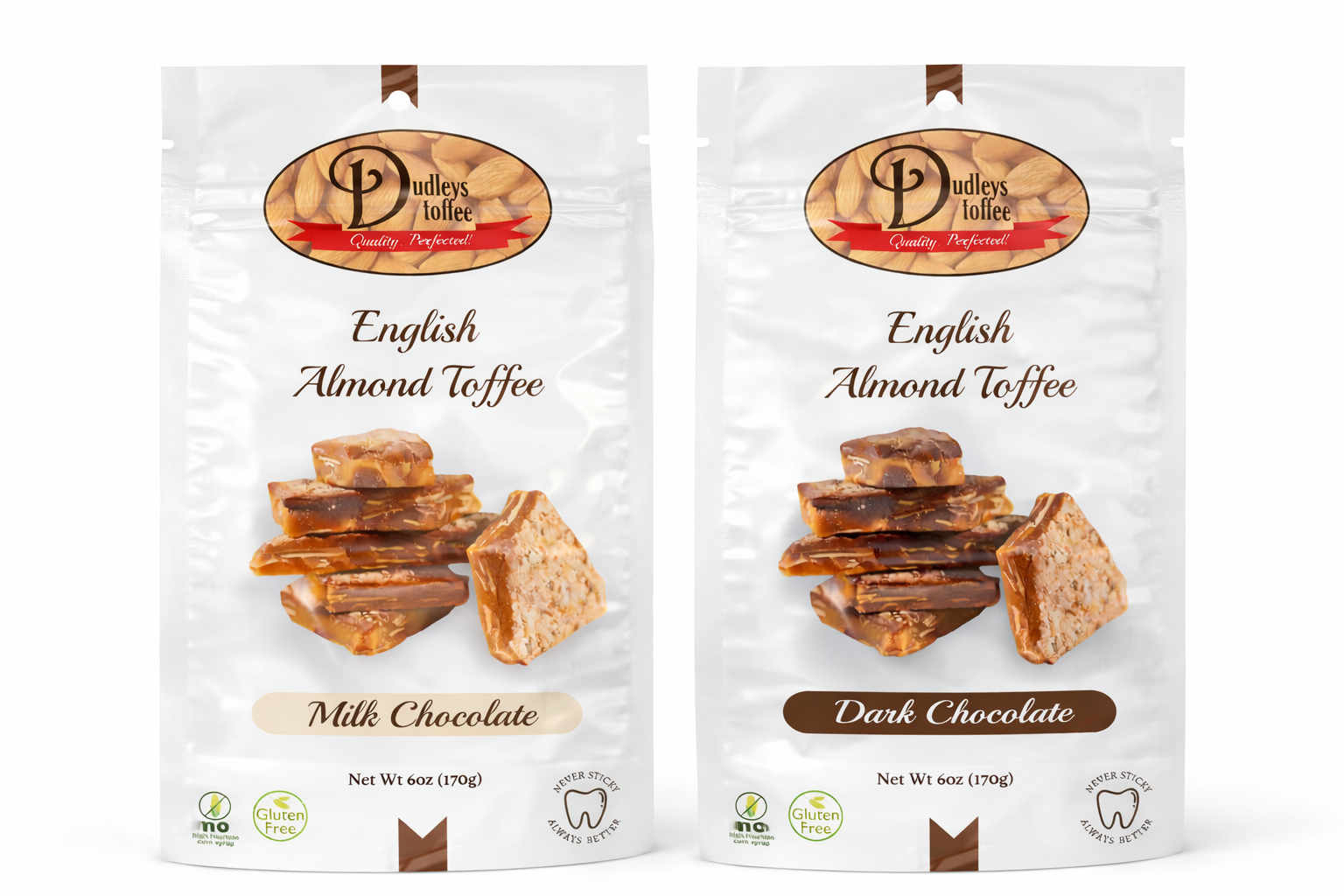
Both the milk chocolate toffee and the dark chocolate English toffee are gluten-free and ship nationwide, making them an ideal addition to any gluten-free gift box or a satisfying everyday treat. For larger orders, the Big Batch Box offers a generous assortment perfect for corporate gifting, fundraising, or stocking up for the holidays. Every bag reflects the care and craftsmanship that has defined Dudley’s Toffee since the beginning.
FAQ
What makes chocolate gluten free?
Chocolate is gluten free when it contains no wheat, barley, rye, or malt-derived ingredients and is produced without cross-contamination from gluten-containing products. Pure cocoa, cocoa butter, and sugar are all naturally gluten-free.
Is dark chocolate safer than milk chocolate for gluten-sensitive consumers?
Dark chocolate with a short ingredient list is generally lower risk because it contains fewer additives. Milk chocolate is not inherently unsafe, but flavored varieties are more likely to include malt or wheat-based ingredients.
Can I bake gluten free chocolate desserts at home without special equipment?
Yes. Flourless chocolate cake and no-bake ganache tarts require only standard kitchen tools. Weighing your flour blend and choosing the correct cocoa powder type are the two most important steps for reliable results.
How do I know if a chocolate product is truly certified gluten free?
Look for the GFCO seal or a statement that the product tests below 20 parts per million of gluten, per FDA standards. “Naturally gluten-free” claims without certification do not guarantee safe manufacturing practices.
What gluten free treats pair well with chocolate for gifting?
Handcrafted gluten-free toffee coated in milk or dark chocolate pairs exceptionally well with plain chocolate bars or truffles. The contrast in texture, crunchy toffee against smooth chocolate, makes the combination feel like a complete, curated gift.
Recommended
Share