
Chocolate Covered Toffee Candy: A Gourmet Lover's Guide
Chocolate covered toffee candy is defined as buttery, caramelized toffee coated in a layer of quality chocolate, creating a confection prized for its satisfying crunch, rich flavor, and layered sweetness. The best versions balance the deep caramel notes of the toffee against the smooth, slightly bitter finish of the chocolate coating. Gourmet enthusiasts prize this combination for its textural contrast as much as its taste. Dudley’s Toffee, a family-owned Indiana company, crafts its English almond toffee in small batches using premium ingredients, producing a softer, buttery toffee that melts cleanly rather than pulling at your teeth. That distinction alone separates handcrafted toffee chocolate from mass-produced candy.
What are the common varieties of chocolate covered toffee candy?
The classic form of chocolate toffee candy pairs buttery toffee with either milk or dark chocolate, often with finely chopped almonds pressed into the coating. That combination has anchored the category for generations. Gourmet flavor profiles have expanded well beyond that foundation in 2026, with pecan, sea salt, and allergen-conscious selections now appearing regularly on specialty shelves.
The sweet, salty, and crunchy contrast created by buttery toffee, chocolate, and sea salt is widely regarded as a “triple-threat” flavor combination among gourmet candy lovers. That balance works because each element plays a distinct role: the toffee delivers caramel depth, the chocolate adds richness, and the salt sharpens both. Gluten-free options have also become a standard offering rather than a niche request, reflecting broader dietary awareness among gourmet buyers.
Popular flavor combinations in chocolate candy toffee today include:
- Classic almond toffee with milk chocolate: The most recognized version, offering creamy sweetness and a satisfying crunch from finely chopped almonds.
- Dark chocolate almond toffee: A less sweet, more complex profile with roasted nut notes and deep cocoa bitterness.
- Sea salt toffee with milk chocolate: Sweet and salty contrast that has become a signature of artisan candy makers.
- Pecan toffee with dark chocolate: A Southern-inspired variation with a buttery, slightly softer nut texture.
- Gluten-free toffee varieties: Made without wheat-based ingredients, these meet growing demand from health-conscious gourmet shoppers.
Dudley’s Toffee offers its handcrafted English almond toffee in both milk and dark chocolate varieties, all gluten-free and made without high fructose corn syrup. That commitment to clean ingredients sets the standard for what thoughtful toffee production looks like.
How should chocolate covered toffee candy be stored?
The ideal storage condition for toffee candy chocolate is a cool, dry environment between 60°F and 70°F, away from direct sunlight and humidity. That temperature range keeps the chocolate coating stable and the toffee firm without becoming brittle. Proper storage prevents chocolate bloom, the grayish discoloration that appears when cocoa butter separates due to temperature swings.
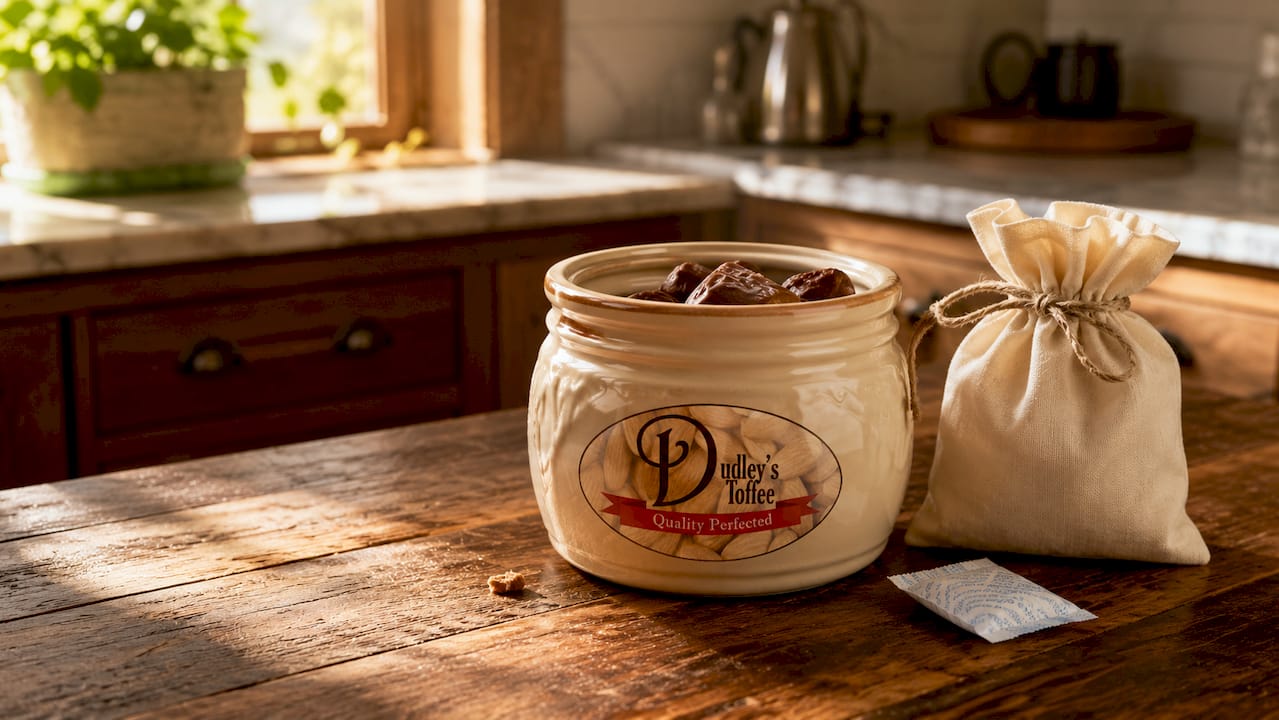
Refrigeration is a common mistake. Cold air introduces moisture when the candy returns to room temperature, which softens the toffee and triggers bloom on the chocolate surface. Toffee texture integrity depends on consistent temperature, not cold storage. A pantry shelf or a cool cupboard away from the stove works far better than a refrigerator drawer.
Pro Tip: When gifting toffee, wrap individual pieces or bags in a sealed cellophane pouch before placing them in a decorative box. This creates a moisture barrier that extends freshness and keeps the chocolate coating looking polished through shipping or display.

Humidity is the other hidden threat. In warm months, a small food-safe silica gel packet placed inside the storage container absorbs excess moisture without affecting flavor. This simple step extends the shelf life of handcrafted toffee considerably, especially in humid climates like the American Midwest in summer.
What makes chocolate toffee candy an elegant gift choice?
Chocolate toffee candy earns its place as a premium gift because it delivers sensory complexity that most everyday candy cannot match. The layered experience of crunch, caramel, chocolate, and sometimes salt or nuts signals care and quality to the recipient. That perception of thoughtfulness is exactly what gourmet gift buyers seek.
Emerging gourmet trends in 2026 point toward premium packaging and refined flavor pairings as the primary drivers of gifting decisions. Consumers want something that looks as good as it tastes. Small-batch, handcrafted production adds another layer of appeal because it signals that a real person made the candy with intention, not a factory line running at volume.
Dudley’s Toffee milk chocolate English toffee has become a sought-after item for fundraising and gifting alike, which speaks to its broad appeal across age groups and occasions. Its 6oz format is practical for individual gifts, event favors, and corporate thank-you packages. Gluten-free certification removes a common dietary barrier, making it a safe choice for mixed groups.
Key considerations when choosing toffee as a gift:
- Chocolate type: Milk chocolate suits broader audiences; dark chocolate appeals to those who prefer less sweetness.
- Nut inclusions: Almond and pecan varieties add texture and flavor complexity; nut-free options work for allergy-conscious recipients.
- Dietary notes: Gluten-free and no high fructose corn syrup are meaningful details for health-aware buyers.
- Presentation: A well-packaged bag or box elevates the perceived value of even a modest quantity.
- Occasion fit: Toffee works equally well for holidays, corporate gifting, weddings, and personal indulgence.
For a broader look at pairing toffee with other gourmet selections, the gourmet candy gift checklist covers occasion-specific recommendations in detail.
How does chocolate type change the taste of toffee candy?
The chocolate coating is not just a wrapper. It actively shapes the flavor experience of every piece of almond toffee chocolate. Choosing between milk, dark, and white chocolate changes the sweetness level, the finish, and the way the toffee’s caramel notes come through.
Milk chocolate offers creaminess and sweetness that softens the caramel edge of the toffee, producing a gentler, crowd-pleasing result. Dark chocolate provides balance with deeper cocoa notes, which cuts through the richness of the butter and lets the toffee’s complexity shine. White chocolate, while less common in traditional toffee, adds a vanilla-forward sweetness that pairs well with sea salt or pecan variations.
| Chocolate type | Flavor profile | Best pairing |
|---|---|---|
| Milk chocolate | Creamy, sweet, mild cocoa | Classic almond toffee, sea salt |
| Dark chocolate | Bitter, rich, deep cocoa | Almond toffee, pecan toffee |
| White chocolate | Sweet, vanilla-forward, buttery | Sea salt toffee, pecan toffee |
Dudley’s Toffee produces its English almond toffee in both milk and dark chocolate varieties, giving buyers a clear choice based on their flavor preference. The dark chocolate version appeals to consumers who want a less sweet, more sophisticated finish. The milk chocolate version remains the top seller for gifting because of its universal appeal.
The thickness and quality of the chocolate coating also matter. A thin, waxy coating cracks unevenly and releases flavor too quickly. A generous layer of quality chocolate melts at a pace that lets the toffee underneath soften gradually, which is what creates that signature melt-in-your-mouth finish that distinguishes handcrafted toffee from mass-produced versions.
Key Takeaways
Chocolate covered toffee candy delivers its best flavor and texture when made in small batches with quality chocolate, stored correctly, and matched to the right occasion or recipient.
| Point | Details |
|---|---|
| Storage temperature matters | Keep toffee at 60°F–70°F in a dry place; avoid refrigeration to prevent bloom and softening. |
| Chocolate type shapes flavor | Milk chocolate adds creaminess; dark chocolate adds depth and cuts sweetness for a complex finish. |
| Small-batch production signals quality | Handcrafted toffee like Dudley’s Toffee delivers a softer, buttery texture that mass production cannot replicate. |
| Gifting requires intentional selection | Match chocolate type, nut inclusions, and dietary notes to the recipient for a thoughtful, well-received gift. |
| Flavor variety drives gourmet appeal | Sea salt, pecan, and gluten-free options meet 2026 consumer demand for sophistication and dietary awareness. |
What I’ve learned from years of making and tasting toffee
Most candy lovers focus on the chocolate when evaluating toffee. That is the wrong starting point. The toffee itself is where quality lives or dies. A thin, overly hard toffee that shatters into shards tells you the sugar was cooked too fast or the butter ratio was off. A softer, buttery toffee that yields gradually under the chocolate coating tells you the maker paid attention to temperature and timing throughout the entire process.
The beverage pairing question comes up more than you might expect. Black coffee is the classic match for dark chocolate almond toffee because the bitterness of both elements creates a clean, unified finish. A light black tea works beautifully with milk chocolate toffee, softening the sweetness without competing with the caramel notes. These pairings are not complicated, but most people never think to try them.
What gourmet buyers often overlook is the texture difference between toffee types. Not all toffee is the same. English toffee, the style Dudley’s Toffee specializes in, is cooked to a specific stage that produces a buttery, slightly yielding bite rather than a tooth-pulling hard crack. That distinction matters enormously for enjoyment, especially for older adults or anyone who has had a bad experience with hard candy. If you want to understand the full range of what toffee can be, the toffee texture guide is worth reading before you buy.
Traditional recipes remain popular not out of nostalgia but because they work. Butter, sugar, almonds, and quality chocolate do not need improvement. They need care, attention, and the right hands.
— Dudley’s Toffee
Handcrafted toffee worth tasting and sharing
Dudley’s Toffee makes its English almond toffee in small batches in Indiana, using premium ingredients and no high fructose corn syrup. Every bag is gluten-free and available in milk or dark chocolate, so you can choose the flavor profile that fits your taste or your recipient’s preference.
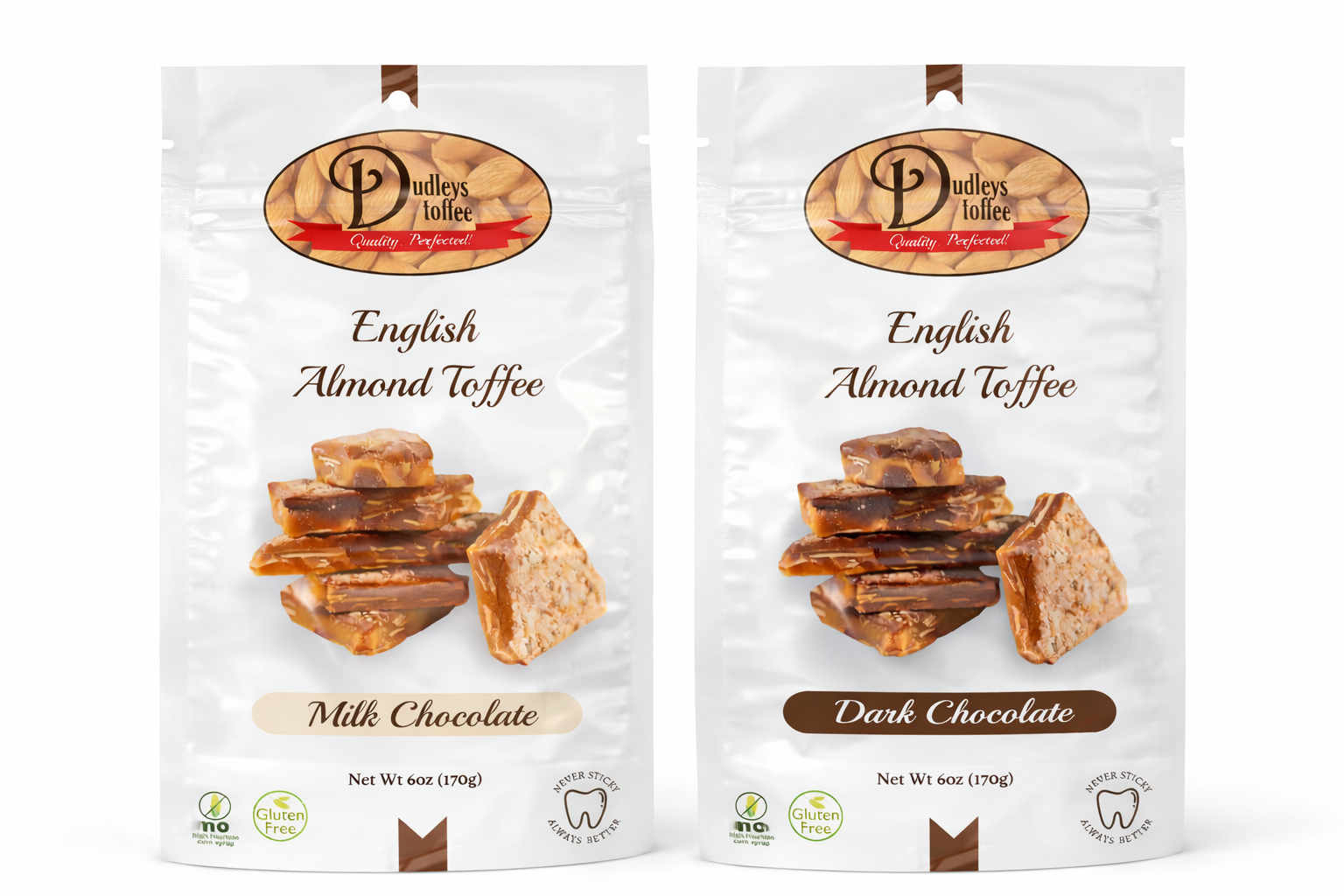
The milk chocolate fundraiser toffee is a top choice for groups, events, and personal gifting, delivering gourmet quality in a practical 6oz format. For those who prefer a richer, less sweet experience, the dark chocolate English toffee offers deep cocoa notes with the same buttery, handcrafted base. Shop the full collection at Dudley’s Toffee and find the variety that belongs in your next gift box or treat-yourself moment.
FAQ
What is chocolate covered toffee candy?
Chocolate covered toffee candy is buttery, caramelized toffee coated in a layer of milk, dark, or white chocolate, often with nuts or sea salt added for texture and flavor contrast.
How long does chocolate covered toffee stay fresh?
Stored at 60°F–70°F in a cool, dry place away from sunlight, quality toffee stays fresh for several weeks without refrigeration.
Is chocolate covered toffee candy gluten-free?
Many handcrafted varieties are gluten-free. Dudley’s Toffee produces its English almond toffee without gluten-containing ingredients and without high fructose corn syrup.
What is the difference between milk and dark chocolate toffee?
Milk chocolate toffee is creamier and sweeter, while dark chocolate adds depth and bitterness that balances the caramel richness of the toffee.
Can chocolate toffee candy be used as a gift or event favor?
Toffee is a well-established gourmet gift and event favor choice for holidays, corporate events, weddings, and fundraisers, especially when presented in premium packaging.