
Gluten Free Candy Guide for Families in 2026
Gluten free candy is defined as sweets made without wheat, barley, rye, or their derivatives, and produced under controls that prevent cross-contamination with gluten. For the roughly 1 in 100 people worldwide with celiac disease, plus a larger group with non-celiac gluten sensitivity, this distinction is not a preference. It is a medical necessity. The safest options carry a certified gluten-free label, which signals that the product meets strict ingredient and manufacturing standards. Knowing what that label means, and when to look beyond it, is the starting point for every smart candy purchase.
1. What makes candy truly gluten free?
Gluten-free status requires two things: clean ingredients and a clean production environment. A candy can contain zero gluten ingredients and still trigger a reaction if it shares equipment with wheat-based products. Cross-contamination is a leading concern; ingredient checks alone are not enough without certification or direct manufacturer confirmation.
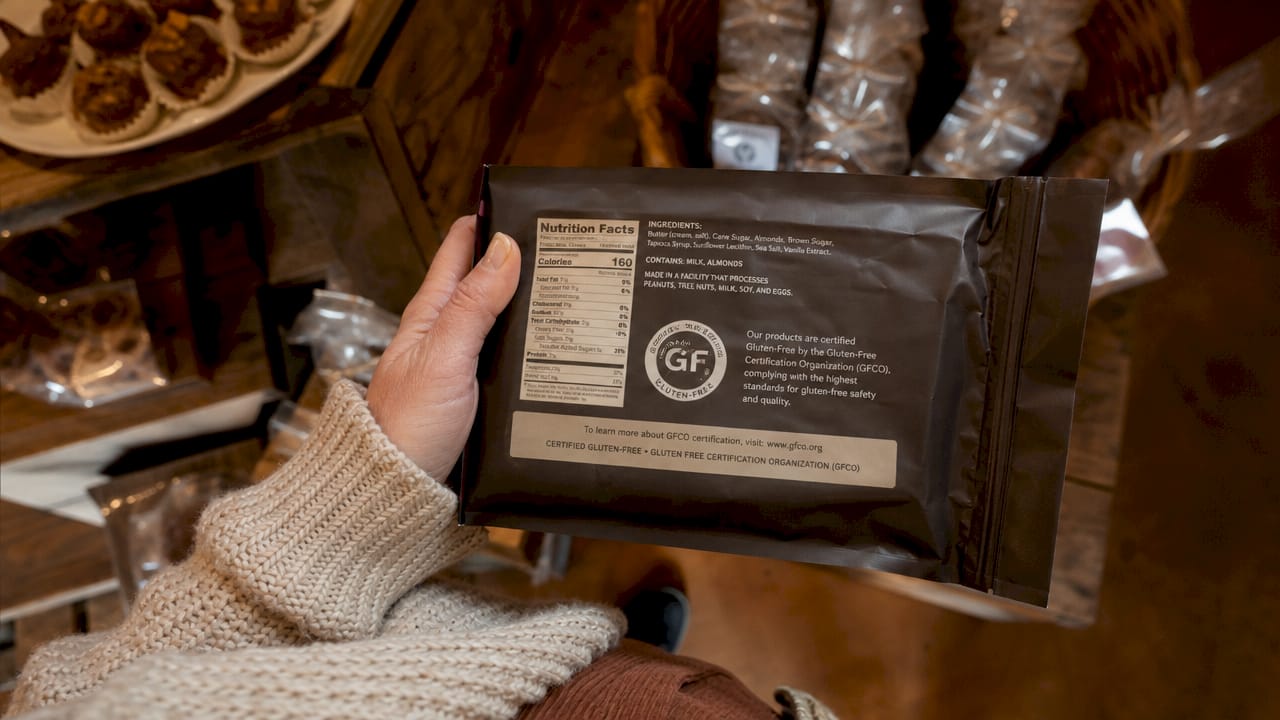
The certified gluten-free label, issued by organizations like the Gluten-Free Certification Organization (GFCO), requires products to test below 10 parts per million of gluten. That threshold is the strictest available in the United States. For people with celiac disease, choosing certified products is the most reliable path to safe sweets.
2. Gluten free candy brands worth trusting
The strongest brands in this space combine clean ingredients with allergen-aware production. Here are the most consistently recommended options for health-conscious shoppers and parents:
-
No Whey Chocolate. Made in a top 9 allergen-free facility, No Whey Chocolate produces chocolate bars, truffles, and holiday shapes free of the nine major allergens. This makes it one of the safest picks for families managing multiple food sensitivities.
-
Yum Earth. This brand offers gummy bears, lollipops, and fruit chews that are certified organic and gluten-free. Their products are widely available in grocery stores and online, making them a practical everyday option.
-
Torie and Howard. A smaller artisan brand producing hard candies with clean, simple ingredients. Their products are certified gluten-free and free of artificial colors and flavors.
-
Skittles and Starburst. These mainstream chewy candies are generally considered gluten-free in their standard formulations. Regional or seasonal versions may differ, so always verify the label before buying.
-
Swedish Fish. Another widely available chewy option with a consistent gluten-free track record in standard packaging.
-
Butterfinger, Snickers, and Reese’s (regular shapes). These classic chocolate bars are broadly recognized as gluten-free, though seasonal or limited-edition shapes require separate verification.
Pro Tip: Even brands you trust can change their formulas. Check the label every time you buy, not just the first time.
3. How to safely choose candy for holidays and special occasions
Holiday candy carries a higher risk than everyday candy. Seasonal shapes like Easter eggs or Halloween versions may run on different manufacturing lines than the standard product. A candy bar that is safe year-round may not be safe in its holiday wrapper.
The Celiac Disease Foundation updates its verified candy lists before major holidays. As of march 2026, their Easter and Passover candy list accounts for cross-contamination risks specific to seasonal production runs. Checking that list before you shop is the single most effective step you can take.
Use this checklist before buying holiday candy:
-
Check the Celiac Disease Foundation’s updated holiday candy list for the current season.
-
Look for a certified gluten-free symbol on the package, not just a “gluten-free” claim.
-
Read the full ingredient list, including “may contain” and “made in a facility” warnings.
-
Confirm that the holiday version matches the standard version’s gluten-free status.
-
When in doubt, contact the manufacturer directly before purchasing.
Pro Tip: Do not assume last year’s safe list applies this year. Manufacturers change production lines, and holiday formulations frequently change without public announcement.
For a broader guide on selecting treats for specific seasons, the gourmet candy gift checklist covers occasion-specific picks worth bookmarking.
4. Why production facility practices matter most
The production facility is where gluten-free claims either hold up or fall apart. Shared equipment is the most common source of cross-contact between gluten-free candy and wheat-based products. A single shared conveyor belt or mixing bowl can introduce enough gluten to cause a reaction in someone with celiac disease.
Allergen-friendly confection experts recommend choosing brands with dedicated top 9 allergen-free production facilities. These facilities exclude wheat, dairy, eggs, peanuts, tree nuts, soy, fish, shellfish, and sesame from the entire production environment. That level of control removes the guesswork for families managing serious food allergies.
The table below shows how facility type affects risk level:
| Facility type | Gluten risk level | What to look for |
|---|---|---|
| Dedicated gluten-free facility | Very low | Certified gluten-free label |
| Dedicated allergen-free facility | Very low | Top 9 free certification |
| Shared facility, separate lines | Moderate | “May contain” warnings |
| Fully shared facility | High | Manufacturer confirmation required |
“Choosing candy made in a dedicated allergen-free facility does more than reduce physical risk. It removes the emotional burden of second-guessing every label, which matters enormously for parents of children with celiac disease or multiple food allergies.” — The Allergy Chef
Understanding what goes into a production environment is easier with context on small-batch candy production, which explains why smaller operations often maintain tighter allergen controls than large-scale manufacturers.
5. Practical tips for buying gluten free chocolate and sweets
Smart shopping for candy without gluten goes beyond reading the front of the package. Hidden gluten sources appear in unexpected places, and a few habits can protect you from the most common mistakes.
-
Watch for malt flavoring. Malt is derived from barley and is a frequent hidden gluten source in chocolate-flavored candies and some gummy products.
-
Check “natural flavors” carefully. This catch-all term can occasionally include barley-derived ingredients. When a product lacks certification, contact the manufacturer to confirm.
-
Store candy separately. Keep gluten-free sweets in a sealed container away from crackers, cookies, or other gluten-containing snacks. Cross-contact at home is a real risk, especially during holiday gatherings.
-
Buy from dedicated online retailers. Specialty retailers focused on allergen-free products often stock brands that are hard to find in standard grocery stores.
-
Use budget-friendly options wisely. Yum Earth and Skittles offer affordable gluten-free choices. Ingredient label scrutiny matters even for lower-cost options, so do not skip the label just because a candy is familiar.
-
Contact manufacturers for unlabeled products. If a candy lacks a certified label, a quick email or call to the manufacturer’s consumer line can confirm whether the product is safe for celiac disease.
For a deeper look at what separates quality candy ingredients from filler, the premium candy ingredients guide is worth reading before your next purchase.
6. Vegan and gluten free candy: what to know
Vegan gluten free candy satisfies two dietary requirements at once, and the overlap is larger than most people expect. Many fruit-based candies, such as Skittles, Starburst, and Swedish Fish, are both vegan and gluten-free in their standard formulations. However, some gummy candies contain gelatin, which is animal-derived, so vegans need to check that ingredient specifically.
No Whey Chocolate and Yum Earth both produce options that are vegan and gluten-free, making them reliable picks for households with mixed dietary needs. Torie and Howard’s hard candies are also vegan-friendly. The key is to verify both the vegan and gluten-free status on the current label, since formulations can shift.
Key Takeaways
Certified gluten-free candy from dedicated allergen-free facilities is the safest choice for people with celiac disease, gluten sensitivity, or multiple food allergies.
| Point | Details |
|---|---|
| Certification beats ingredients alone | A certified gluten-free label confirms both clean ingredients and safe manufacturing controls. |
| Holiday candy needs fresh verification | Seasonal versions often run on different lines; check updated lists before every holiday. |
| Facility type determines risk | Dedicated allergen-free facilities carry the lowest cross-contamination risk. |
| Hidden gluten hides in plain sight | Malt flavoring and “natural flavors” are common sources of unlisted gluten in candy. |
| Trusted brands can still change | Re-read labels every purchase, even for brands you have bought safely before. |
My honest take on gluten free candy for families
I have watched parents spend 20 minutes in a candy aisle, phone in hand, cross-referencing ingredient lists against online databases. That is not an overreaction. That is what celiac disease actually requires. The emotional weight of getting it wrong, especially for a child at a birthday party or holiday gathering, is real and heavy.
What I have noticed over the past few years is that manufacturer transparency has genuinely improved. More brands now publish allergen statements online, update their facility information seasonally, and respond quickly to consumer inquiries. That shift matters. It means you have better tools than you did five years ago.
My strong recommendation is to anchor your candy purchases around brands with dedicated allergen-free facilities. No Whey Chocolate and Yum Earth are my go-to examples. They remove the uncertainty that comes with shared-line production. For toffee specifically, small-batch producers who control their own ingredients and equipment offer a level of traceability that large manufacturers simply cannot match.
The goal is not to eliminate every treat from a child’s life. The goal is to make celebration feel safe. When you find brands and products that consistently deliver on that, stick with them and share them with other parents in your community.
— Dudley’s Toffee
Dudley’s Toffee: a gluten-free treat worth gifting
Dudley’s Toffee handcrafts English almond toffee in small batches in Indiana, with a focus on clean ingredients and allergen-aware production. Their toffee is gluten-free and free of high fructose corn syrup, making it a reliable pick for health-conscious shoppers and parents who want a safe indulgence for holidays and special occasions.
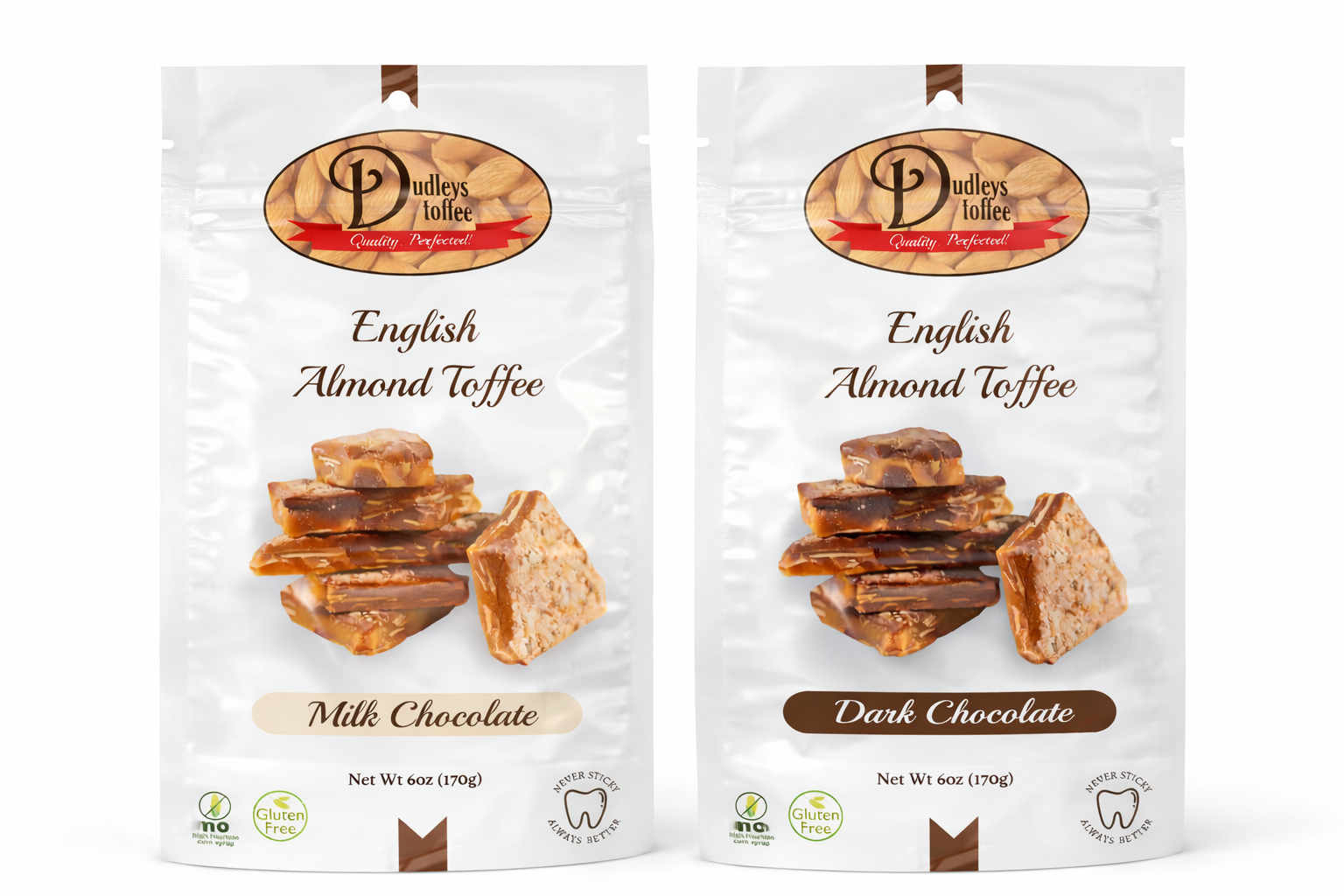
The dark chocolate English toffee is a standout option for gift buyers, available in a 6oz bag that ships securely. Milk chocolate varieties are also available for those who prefer a creamier profile. Whether you are stocking up for a holiday gathering, building a gift basket, or looking for a treat that everyone at the table can enjoy safely, Dudley’s Toffee full retail collection is worth a look.
FAQ
Are there gluten free candies that are safe for celiac disease?
Yes. Candies with a certified gluten-free label from a dedicated production facility are the safest options for people with celiac disease. Certification confirms both ingredient purity and manufacturing controls.
Are gluten free gummy bears easy to find?
Gluten-free gummy bears are widely available. Yum Earth produces a certified gluten-free gummy bear that is also free of artificial dyes and is sold in most major grocery stores and online.
Do holiday candy versions carry more gluten risk?
Yes. Seasonal candy versions often run on different manufacturing lines than standard products, increasing cross-contamination risk. Always verify holiday versions separately using updated lists from the Celiac Disease Foundation.
What hidden ingredients contain gluten in candy?
Malt flavoring, derived from barley, is the most common hidden gluten source in candy. Some “natural flavors” may also include barley derivatives, so contact the manufacturer if a product lacks certification.
Is vegan candy also gluten free?
Not automatically. Vegan and gluten-free are separate certifications. Many fruit-based candies meet both standards, but always check the label for both a vegan claim and a gluten-free certification before buying.
Recommended
Share