
Chocolates and Toffees: A Gourmet Buyer's Guide
Chocolates and toffees are premium confectionery treats defined by their distinct preparation methods, rich ingredient profiles, and deeply satisfying textures. Chocolate is a cocoa-based confection ranging from silky milk varieties to bold, complex dark blends. Toffee is a hard crack-stage candy made by cooking butter and sugar to 295°F–300°F, then typically finished with a chocolate coating and a layer of toasted nuts. Dudley’s Toffee, a family-owned Indiana company, crafts small-batch English almond toffee in both milk and dark chocolate, gluten-free and free of high fructose corn syrup. Together, these two treats represent the heart of artisan confectionery.
What makes high-quality chocolates and toffees?
The difference between a memorable confection and a forgettable one comes down to ingredients and technique. Artisanal chocolates use high-quality cocoa and clean fats, while mass-produced versions often substitute cheaper oils that create a waxy, dull result. That “Play-Doh” texture many people notice in grocery-store chocolate is a direct consequence of ingredient shortcuts.
For toffee, the same principle holds. The foundation is simple: butter, sugar, salt, and heat. But the execution requires precision.
The key steps for premium toffee
- Start with quality butter. Unsalted, high-fat butter produces a richer, more consistent caramel base. Cheap butter introduces excess water, which disrupts the cooking process.
- Brown the butter first. Browning butter before adding sugar adds nutty, caramel-forward depth that standard recipes skip entirely. This single step separates artisan toffee from average candy.
- Cook to the hard crack stage. The target temperature is 295°F–300°F. At this range, the sugar structure sets into the characteristic snap that defines English toffee. Undercooking produces a chewy, sticky result. Overcooking burns the batch.
- Avoid stirring after the boil. Stirring introduces sugar crystals back into the mixture, causing graininess. Professionals swirl the pan instead.
- Finish with chocolate and nuts. Pour melted chocolate over the cooled toffee slab, then press toasted almonds into the surface before the chocolate sets.
Pro Tip: Use a candy thermometer clipped to the side of the pot from the start. Do not rely on visual cues alone. Color and bubbling patterns vary with altitude, humidity, and pan material.
Sourcing also matters at the ingredient level. Natural ingredients free of high fructose corn syrup produce a cleaner, more honest flavor. That commitment is what separates artisan brands from mass-market candy, and it shows in every bite.
How do texture and flavor differ across varieties?
Chocolate and toffee each span a wide range of textures and flavor profiles. Understanding those differences helps you choose the right treat for any occasion.
Chocolate varieties
Milk chocolate contains added milk solids and higher sugar levels, producing a sweet, creamy flavor with a soft melt. Dark chocolate uses a higher percentage of cocoa solids, delivering a more intense, slightly bitter profile with complex fruit and earthy notes. Semi-sweet chocolate sits between the two and works well as a coating for toffee because it balances the candy’s buttery sweetness. Specialty artisan chocolates may incorporate single-origin cocoa, which means the beans come from one region and carry distinct flavor characteristics tied to that soil and climate.
Toffee varieties
English toffee is the crunchiest style. It cooks to the hard crack stage and snaps cleanly when broken. Chewy toffee cooks to a lower temperature, around the soft crack stage, and pulls rather than snaps. Toffee with nuts, particularly almonds, adds a roasted, savory contrast to the sweet base. Flavor innovations in artisan toffee now include sea salt, orange zest, and black sesame, each adding a layer of complexity that elevates the experience beyond simple sweetness.
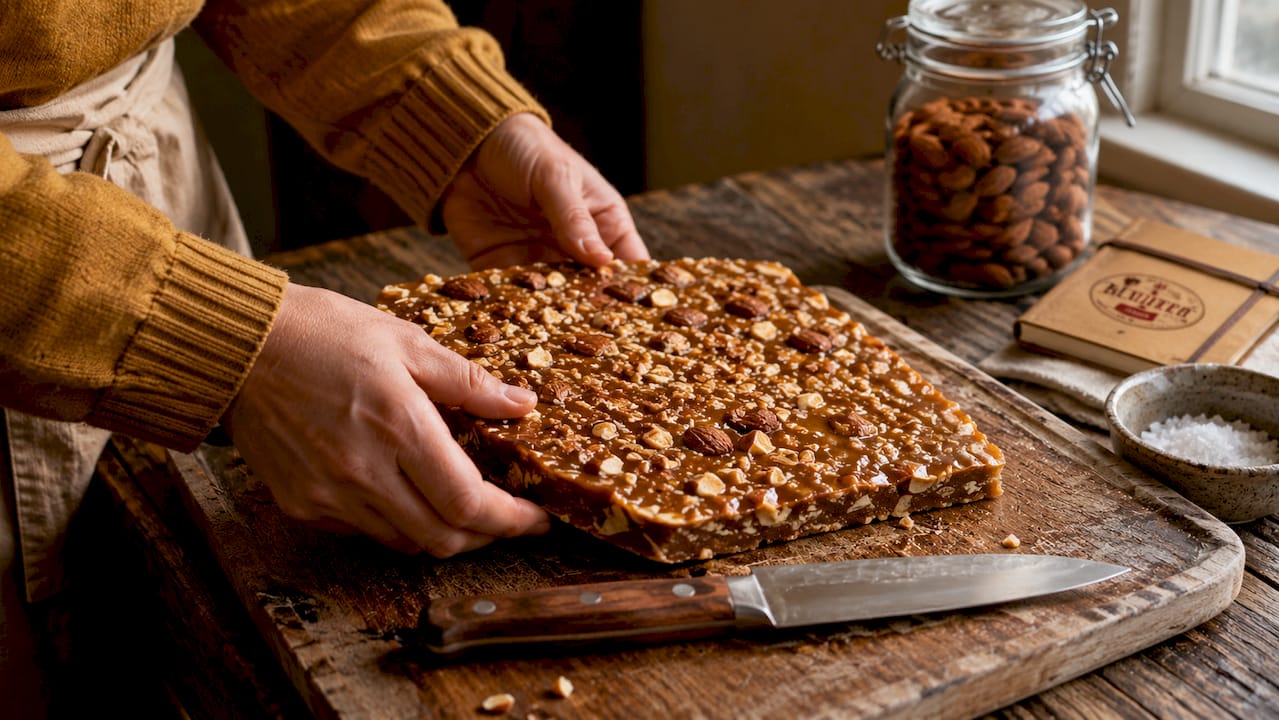
| Type | Texture | Flavor Profile |
|---|---|---|
| Milk chocolate | Soft, creamy melt | Sweet, mild, dairy-forward |
| Dark chocolate | Firm, clean snap | Bold, slightly bitter, complex |
| English toffee | Hard, crisp crunch | Buttery, caramel, nutty |
| Chewy toffee | Soft, pulling | Sweet, mild caramel |
| Toffee with almonds | Crunchy with texture | Buttery, roasted, rich |
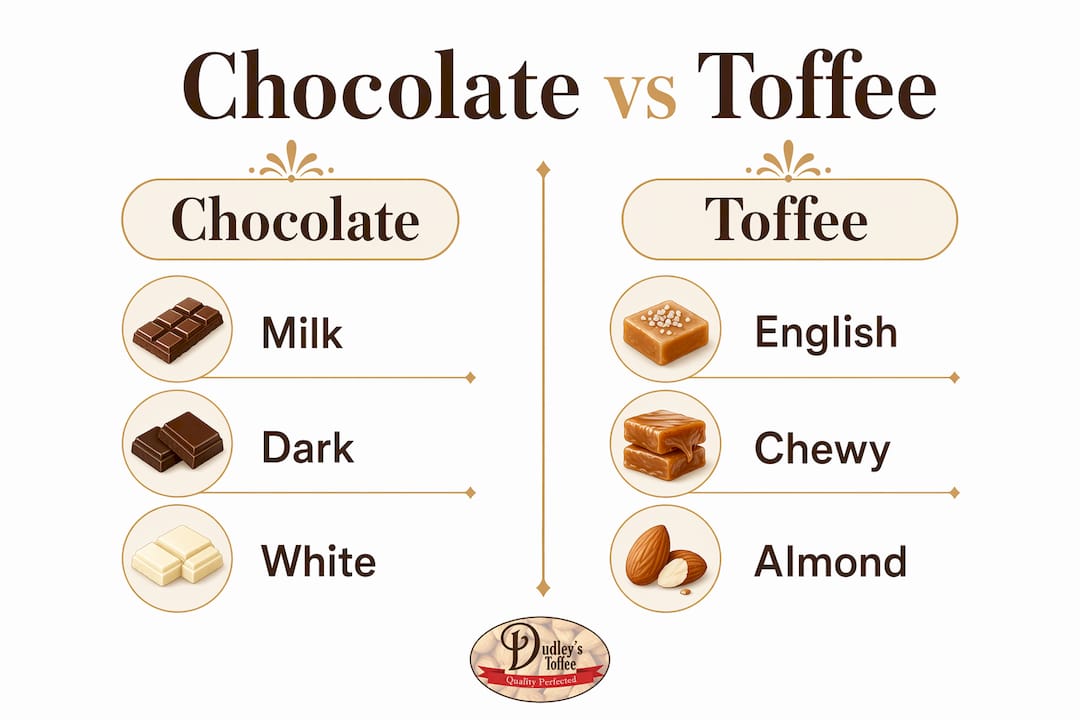
Texture differences trace directly back to cooking technique and ingredients. A toffee cooked two degrees short of the hard crack stage will feel sticky rather than crisp. That margin is why professional candy makers trust thermometers over instinct.
What should you look for when buying chocolates and toffees?
Selecting premium confections for gifts or personal indulgence requires looking past attractive packaging. The ingredient list tells the real story.
- Check for clean ingredients. A short, recognizable ingredient list is a strong quality signal. Butter, sugar, almonds, chocolate, and salt are all you need for excellent English toffee. Anything else warrants scrutiny.
- Avoid high fructose corn syrup. Professional toffee makers avoid high fructose corn syrup because it alters flavor and affects how consumers perceive the product’s quality.
- Look for gluten-free labeling. Toffee is naturally gluten-free when made without gluten-containing additives. Consumers with celiac disease or gluten sensitivity should still confirm that the product is made in a dedicated gluten-free facility.
- Evaluate the packaging for gifting. Elegant gift boxes, holiday tins, and assorted collections signal that a brand has invested in the full presentation. Quality chocolate gift boxes often highlight ingredient transparency and dietary options alongside the visual appeal.
- Consider the occasion. Corporate gifting calls for consistent, crowd-pleasing flavors. Holiday gifting rewards variety. Personal indulgence is where you can experiment with bold pairings.
Pro Tip: Pair toffee with a dark roast coffee or a glass of bourbon. The bitterness of both cuts through the candy’s sweetness and heightens the gourmet experience in a way that milk or water simply cannot.
Dudley’s Toffee fits naturally into the premium gifting category. The toffee is handcrafted in small batches in Indiana, made with no high fructose corn syrup, and available in both milk and dark chocolate. It ships directly to consumers nationwide and is also available for wholesale and corporate orders.
How can you make gourmet toffee at home?
Homemade toffee is one of the most rewarding confections you can produce in a home kitchen. The ingredient list is short, the process is straightforward, and the result is genuinely impressive. The key is respecting the temperature.
- Gather your ingredients. You need unsalted butter, granulated sugar, salt, semisweet chocolate chips, and toasted almonds. Simple ingredient lists with precise temperature cooking consistently yield high-quality toffee.
- Melt and brown the butter. In a heavy-bottomed saucepan over medium heat, melt the butter until it turns golden and smells nutty. Add the sugar and salt immediately after.
- Clip your thermometer. Attach a candy thermometer to the side of the pan before the mixture heats up. This gives you an accurate, continuous reading without disrupting the cook.
- Cook without stirring. Once the mixture boils, stop stirring. Swirl the pan gently if needed. Use a pastry brush dipped in hot water to wash down sugar crystals from the sides of the pot. This prevents graininess.
- Pull at 295°F–300°F. Pour the mixture immediately onto a parchment-lined baking sheet. Work quickly. The toffee sets fast.
- Add chocolate and nuts. Scatter chocolate chips over the hot toffee surface. Wait two minutes, then spread the melted chocolate evenly. Press toasted almonds into the chocolate before it sets.
- Cool completely before breaking. Allow the slab to cool at room temperature for at least one hour. Then break it into irregular pieces by hand or with a mallet.
Cooking time runs 10–12 minutes for small batches. Larger batches can take 25–40 minutes to reach the hard crack stage. Patience and a reliable thermometer are the two most important tools you own for this process.
Key Takeaways
Premium chocolates and toffees share one defining quality: ingredient integrity paired with precise technique produces a result that mass production cannot replicate.
| Point | Details |
|---|---|
| Temperature is non-negotiable | Cook toffee to 295°F–300°F for the hard crack stage and characteristic snap. |
| Ingredient quality drives flavor | Avoid high fructose corn syrup and non-cocoa fats; clean lists signal premium products. |
| Gluten-free is achievable | Toffee made without gluten-containing additives is naturally safe for sensitive consumers. |
| Gifting requires full presentation | Elegant packaging, dietary labeling, and flavor variety all matter for gift purchases. |
| Technique separates artisan from average | Browning butter and avoiding stirring after the boil are the two steps most home cooks skip. |
What I’ve learned from years of making small-batch toffee
The most common misconception about premium confectionery is that a recognizable brand name guarantees quality. It does not. True quality rests on ingredient purity and the care taken during production. At Dudley’s Toffee, we have seen firsthand how a two-degree temperature difference changes the entire texture of a batch. That kind of precision is only possible when you are watching every pot, every time.
Small-batch production is not a marketing phrase for us. It is a practical necessity. You cannot maintain that level of attention at industrial scale. When a batch is small, you can hear the sugar change, smell the butter brown, and feel the right moment to pull the pan. Those sensory cues matter as much as the thermometer.
The gifting potential of handcrafted toffee is also underestimated. People remember food gifts that surprise them. A buttery, crunchy piece of English almond toffee coated in dark chocolate is not something most people buy for themselves regularly. That rarity is what makes it feel special. When you give someone a bag of genuinely handcrafted toffee, you are giving them something they could not have easily found on their own.
My honest advice: seek out products with short ingredient lists, clear sourcing, and a maker who stands behind the recipe. Pair your toffee with a strong coffee or a glass of red wine. And if you are making it at home, invest in a quality candy thermometer before anything else.
— Dudley’s Toffee
Handcrafted English toffee worth giving and savoring
Dudley’s Toffee brings together everything this guide describes: small-batch production, premium natural ingredients, no high fructose corn syrup, and a gluten-free recipe that does not compromise on flavor or texture.
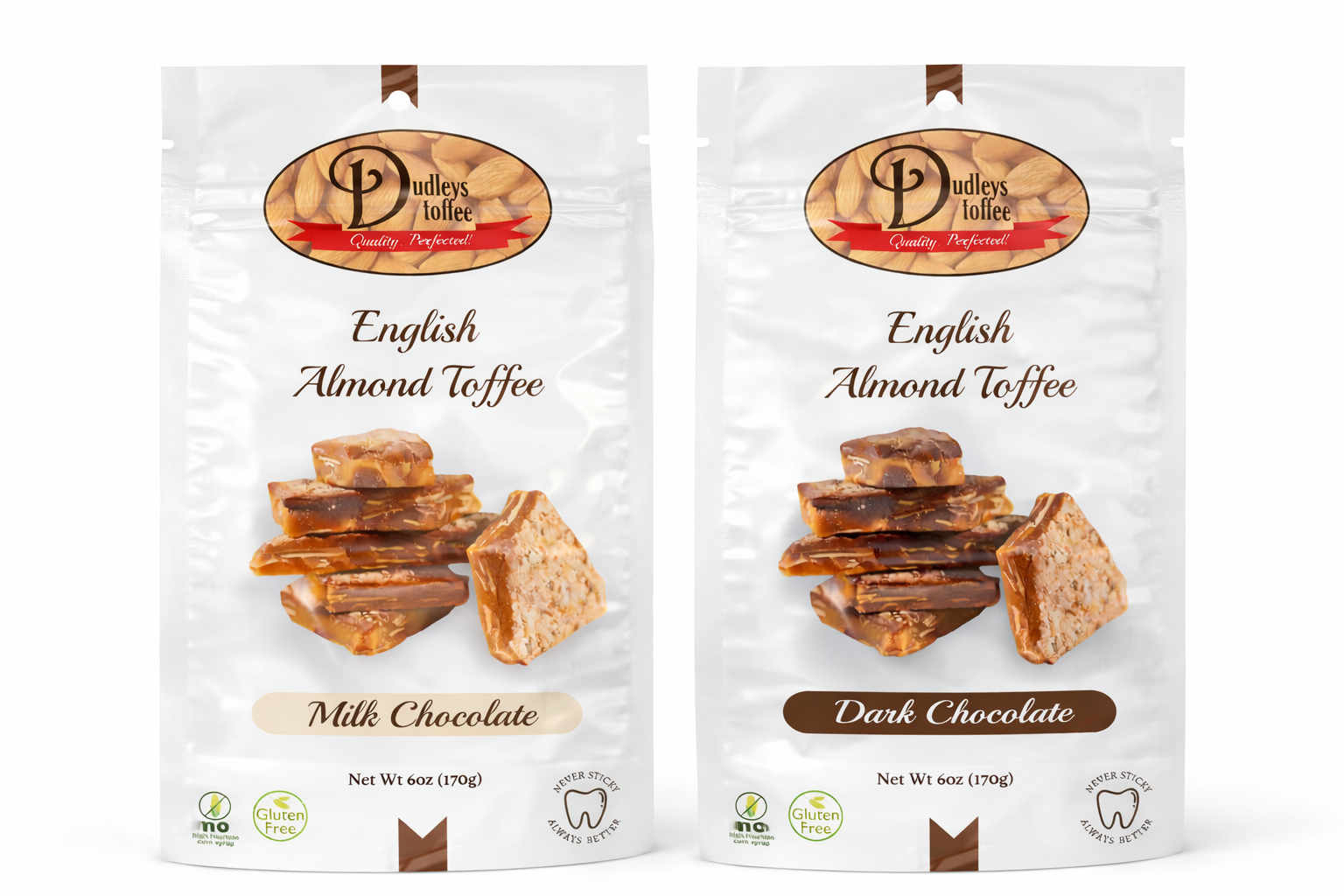
The milk chocolate English toffee and dark chocolate variety are both handcrafted in Indiana and ship nationwide. Each 6oz bag makes a thoughtful gift for holidays, corporate events, fundraisers, or personal indulgence. For larger orders, the mixed case offers both varieties together, ideal for gifting in volume. Shop directly at Dudley’s Toffee and taste the difference that genuine small-batch craftsmanship makes.
FAQ
What is the difference between English toffee and regular toffee?
English toffee is cooked to the hard crack stage (295°F–300°F), producing a crisp, snapping texture. Regular or chewy toffee cooks to a lower temperature and pulls rather than snaps.
Is toffee gluten-free?
Toffee made from butter, sugar, salt, chocolate, and nuts contains no gluten-containing ingredients. Consumers with celiac disease should confirm the product is made in a dedicated gluten-free facility.
What chocolate pairs best with toffee?
Dark chocolate and semisweet chocolate are the strongest pairings for toffee. Their slight bitterness balances the candy’s buttery sweetness and adds flavor complexity.
How do I prevent my homemade toffee from turning grainy?
Stop stirring once the mixture boils, and use a hot-water dipped pastry brush to wash sugar crystals off the sides of the pot. Graininess is caused by sugar recrystallization, and this technique prevents it.
What makes artisan chocolate better than mass-produced chocolate?
Artisan chocolate uses high-quality cocoa and clean fats, while mass-produced versions often substitute cheaper oils that create a waxy texture and dull flavor. Ingredient purity is the defining difference.
Recommended
Share