
Certified Gluten-Free Candy: Best Safe Picks for 2026
Certified gluten-free candy is defined as candy that has been independently tested and verified to contain fewer than 20 parts per million (ppm) of gluten, the threshold established by the FDA and recognized by organizations like the Celiac Disease Foundation and the Gluten-Free Certification Organization (GFCO). That standard matters because even trace gluten can trigger serious reactions in people with celiac disease or non-celiac gluten sensitivity. The difference between “certified” and “naturally gluten-free” is not just a label. It is a documented manufacturing commitment. Choosing certified products is the safest path for anyone who cannot afford to guess.
1. What does “certified gluten-free candy” actually mean?
Certified gluten-free candy carries third-party verification, not just a clean ingredient list. The GFCO requires products to test below 10 ppm, which is stricter than the FDA’s 20 ppm rule. That extra margin matters for people with high sensitivity.
“Naturally gluten-free” means the recipe contains no wheat, barley, or rye. It does not mean the candy was made in a dedicated facility or tested for cross-contact. The Celiac Disease Foundation emphasizes that certified products are safer specifically because they address manufacturing risk, not just ingredients. That distinction is the heart of why certification exists.
2. Top certified gluten-free candy options in 2026
The market for gluten-free sweets has grown significantly, and the best options combine rigorous certification with premium ingredients. Here are the standout categories and examples worth knowing:
Chocolate and toffee:
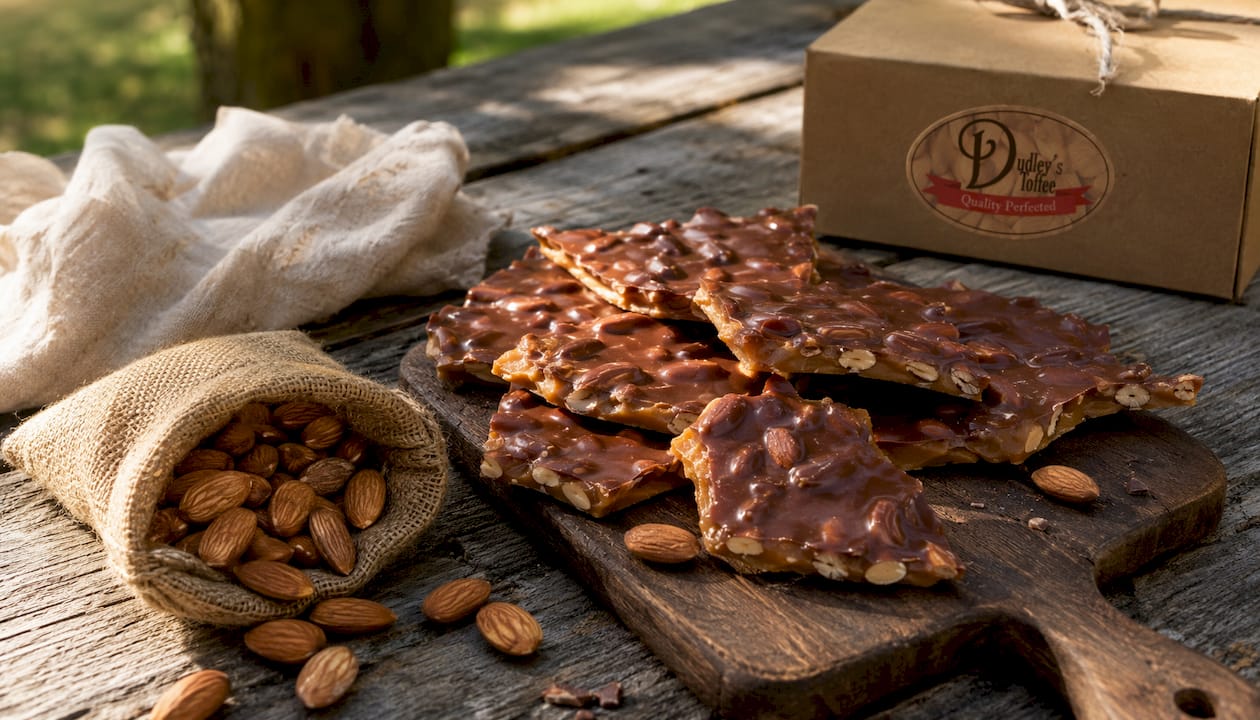
- Dudley’s Toffee handcrafted English almond toffee (milk and dark chocolate, made in Indiana, gluten-free, no high fructose corn syrup)
- Certified gluten-free dark chocolate bars from specialty artisan producers
- Allergen-free chocolate truffles from dedicated gluten-free facilities
Gummies and fruit chews:
- Black Forest Gummies recently achieved full USDA organic certification alongside their existing gluten-free certification. That dual certification signals a commitment to both safety and ingredient quality.
- YumEarth organic gummy bears, which carry gluten-free and non-GMO certifications
Hard candy and lollipops:
- Tootsie Pops are widely listed as gluten-free, though label verification is always recommended for seasonal varieties
- YumEarth lollipops with certified gluten-free status and no artificial dyes
Caramels and chewy candy:
- Small-batch artisan caramels from dedicated gluten-free kitchens
- Certified gluten-free caramel chews with clean-label ingredient lists
Most flavors of Skittles and Starburst are also considered gluten-free, but seasonal shapes may be produced on different equipment. Always check the current label before buying.
3. How certified gluten-free candy is made safe
The manufacturing process behind certified candy without gluten goes far beyond swapping out ingredients. The facility itself is the first line of defense.
Dedicated gluten-free facilities provide superior safety for people with severe sensitivities compared to shared equipment lines. This matters because more than 70% of gluten-free certified foods are made on shared wheat equipment. That statistic means a certified label alone does not guarantee a dedicated line. Shoppers with celiac disease should look specifically for brands that disclose dedicated facility status.
Certification testing requires manufacturers to verify gluten levels at or below the established ppm threshold, typically through third-party lab testing. The GFCO conducts facility audits in addition to product testing, which adds another layer of accountability. That audit process is what separates a certified product from one that simply claims to be safe.
Some manufacturers test for gluten cross-contact only once per year on shared equipment lines. Annual testing leaves a wide window for undetected contamination. For high-sensitivity consumers, this is a strong argument for choosing brands with dedicated facilities and more frequent testing protocols.
Pro Tip: Look for the GFCO logo (a green circle with a grain and a slash) directly on the packaging. That logo means the product passed third-party audits, not just internal checks.
Certification vs. ingredient claims: a quick comparison
| Approach | What it covers | Cross-contact protection |
|---|---|---|
| Certified gluten-free (GFCO) | Ingredients and facility audits | Strong, third-party verified |
| FDA gluten-free label | Ingredients, below 20 ppm | Moderate, self-reported |
| “Naturally gluten-free” claim | Ingredient list only | Minimal, no facility check |
| No label, clean ingredients | Recipe only | None |
4. Common myths about gluten-free candy
The biggest myth in the gluten-free candy space is that any candy without wheat on the label is automatically safe. That belief leads to real harm for people with celiac disease.
Myths worth correcting:
- “No wheat listed means no gluten.” Barley and rye also contain gluten. Malt flavoring, a common candy ingredient, is derived from barley. Crispy rice cereals frequently contain malt flavoring, making them a hidden gluten source in chocolate bark and candy bars.
- “Naturally gluten-free is just as safe as certified.” Manufacturing changes can affect gluten presence without any change to the printed ingredient list. Certification accounts for this. A “natural” claim does not.
- “All products from a gluten-free brand are safe.” Seasonal shapes and limited editions from otherwise reliable brands may be produced on shared equipment. The standard product line may be safe while the holiday version is not.
- “Vegan candy is always gluten-free.” Vegan status addresses animal products, not gluten. A vegan candy can still contain barley or be made on shared wheat equipment.
- “Imported candy follows the same rules.” Gluten-free standards vary by country. The FDA’s 20 ppm rule applies to products sold in the US, but imported candy may not meet that threshold.
Reading the label every single time is the only reliable habit. Formulations change, and a product that was safe last year may have a new manufacturing arrangement this year.
5. Choosing the best certified gluten-free candy beyond the label
Certification is the floor, not the ceiling. The best gluten-free candy options also meet higher standards for ingredient quality, sourcing, and dietary preferences.
What to look for beyond gluten-free certification:
- Organic certification: USDA organic status, like that earned by Black Forest Gummies, signals cleaner sourcing and no synthetic pesticides. Organic and gluten-free together reflect a growing consumer demand for clean-label treats.
- Top allergen-free facilities: Dedicated allergen-free facilities that exclude the top 8 or 9 allergens are the gold standard for severe sensitivity. These facilities eliminate cross-contact risk across multiple dietary needs at once.
- Non-GMO verification: Non-GMO Project Verified status adds another layer of ingredient transparency, particularly relevant for corn-based and soy-based candy ingredients.
- Small-batch production: Small-batch candy makers have tighter control over every production run. That control translates directly into more consistent safety and flavor. Dudley’s Toffee, for example, crafts its English almond toffee in small batches in Indiana, which means every batch gets personal attention rather than automated oversight.
- No high fructose corn syrup: Premium certified candies increasingly exclude high fructose corn syrup in favor of cane sugar or other natural sweeteners. This reflects a broader clean-label trend that pairs well with gluten-free certification.
- Where to buy: Specialty food stores, direct-to-consumer websites, and gluten-free candy guides are the most reliable sources. Mass-market retailers carry certified options, but selection varies widely by location.
Pro Tip: When buying online, filter by “certified gluten-free” rather than “gluten-free” in search results. Many platforms treat these as equivalent, but the certified filter returns products with third-party verification.
For shoppers who also need to consider diabetes management, the question of whether diabetics can eat gluten-free candy is worth addressing directly. Gluten-free certification says nothing about sugar content. Diabetics should evaluate total carbohydrates and added sugars independently of the gluten-free label. Some certified gluten-free candies use sugar alcohols or natural sweeteners that affect blood sugar differently, but that requires a separate label check.
Key takeaways
Certified gluten-free candy is the safest choice for people with celiac disease or gluten sensitivity because it combines third-party testing, facility audits, and strict ppm limits that ingredient-only claims cannot match.
| Point | Details |
|---|---|
| Certification beats “natural” claims | Third-party certification covers manufacturing risk; ingredient lists alone do not. |
| Dedicated facilities matter most | Shared equipment lines test infrequently; dedicated facilities reduce cross-contact risk significantly. |
| Hidden gluten sources are common | Malt flavoring and barley derivatives appear in many candies without obvious wheat labeling. |
| Seasonal products need extra scrutiny | Limited-edition shapes from trusted brands may use different production lines than standard products. |
| Premium ingredients pair with certification | Organic, non-GMO, and small-batch production signal higher overall quality alongside gluten-free safety. |
What we’ve learned from making gluten-free toffee the right way
Certification is not a marketing checkbox. It is a promise backed by audits, lab results, and a genuine commitment to the people who depend on it.
At Dudley’s Toffee, we hear from customers regularly who tell us they have spent years avoiding candy because they could not trust the label. That is a real loss. Candy is meant to be joyful, and no one should have to skip it out of fear. Our toffee is gluten-free, made in small batches in Indiana, and crafted without high fructose corn syrup because those choices reflect what we believe premium candy should be.
The uncomfortable truth about the gluten-free candy market is that “gluten-free” on a label can mean almost anything. Some brands earn that designation through rigorous testing and dedicated production. Others simply reformulate a recipe and print the words. The difference shows up in the experience of people who get sick from one and not the other.
Our advice is simple: trust the process, not just the packaging. Look for third-party certification logos, ask about facility practices, and choose makers who are transparent about how their candy is produced. Small-batch, handcrafted production is not just a selling point. It is a structural advantage for safety and quality.
— Dudley’s Toffee
Dudley’s Toffee: handcrafted gluten-free toffee worth trusting
Dudley’s Toffee makes English almond toffee the way it should be made: in small batches, by hand, in Indiana, with premium ingredients and no shortcuts.
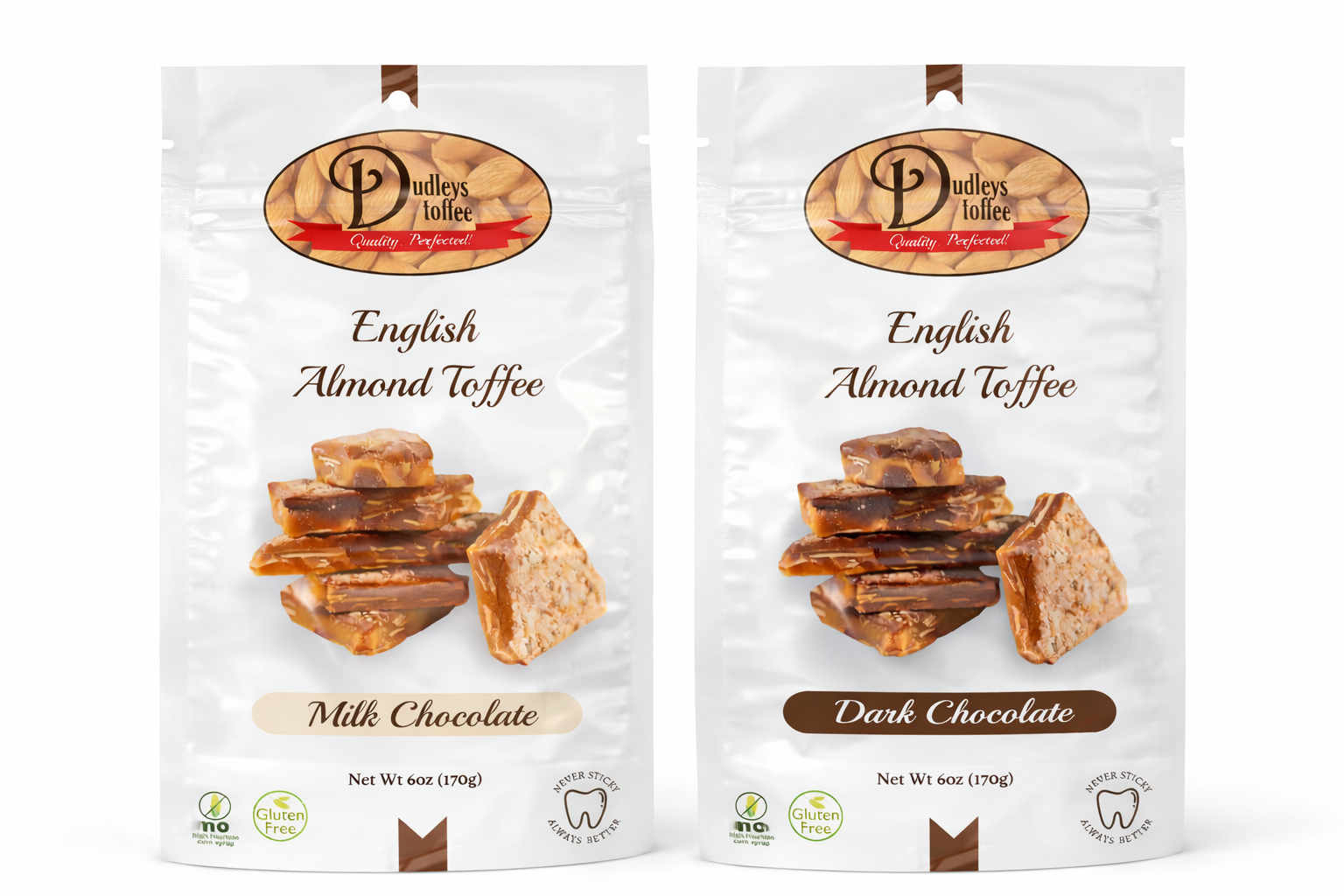
Every batch is gluten-free and made without high fructose corn syrup. The toffee melts in your mouth instead of sticking to your teeth, which is the signature of a recipe built on real butter and quality chocolate. You can choose from milk chocolate English toffee or dark chocolate English toffee, both available in 6oz gift-ready packaging. Whether you are shopping for yourself, a gift, a fundraiser, or a corporate order, Dudley’s Toffee ships nationwide and stands behind every box. Visit the Dudley’s Toffee store to find the right option for you.
FAQ
What makes candy “certified gluten-free” vs. just “gluten-free”?
Certified gluten-free candy has been independently tested and audited by a third-party organization like the GFCO to confirm gluten levels below 10 ppm. A standard “gluten-free” label is self-reported by the manufacturer and only requires meeting the FDA’s 20 ppm threshold.
Is certified gluten-free candy safe for people with celiac disease?
Certified gluten-free candy is the safest option for people with celiac disease because it addresses both ingredients and manufacturing cross-contact. Products from dedicated gluten-free facilities offer the highest level of protection.
Can diabetics eat gluten-free candy?
Gluten-free certification does not indicate low sugar content, so diabetics must evaluate total carbohydrates and added sugars separately. Some certified gluten-free candies use sugar alcohols or alternative sweeteners, but each product requires its own label review.
What hidden ingredients should I watch for in candy without gluten?
Malt flavoring is the most common hidden gluten source in candy, as it is derived from barley. Barley derivatives appear in crispy rice cereals, some chocolate coatings, and flavored hard candies, so checking every ingredient line is necessary.
Are seasonal or holiday candies safe if the regular version is gluten-free?
Not always. Seasonal shapes and limited-edition products from otherwise reliable brands may use shared equipment that differs from the standard production line. Always verify the current label on holiday packaging before purchasing.